three Gorges Museum Chongqing: Your Complete Guide to Tickets, Highlights & Hidden Gems
1.Overview
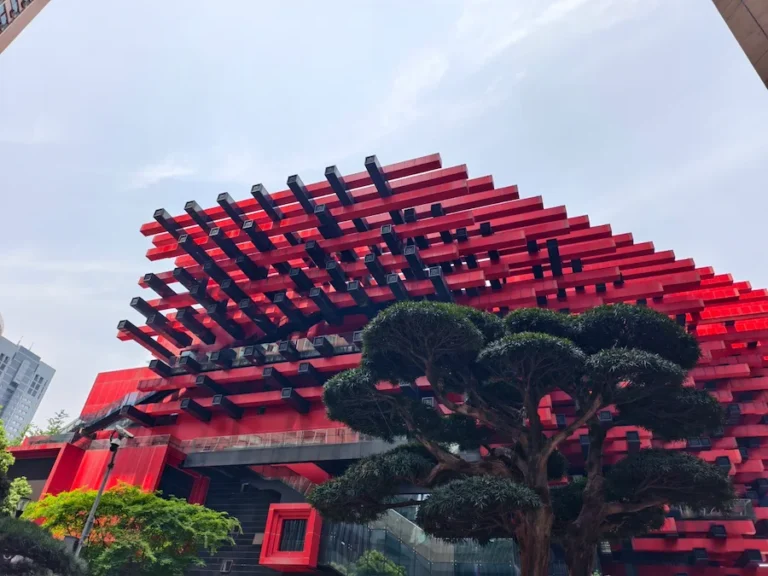
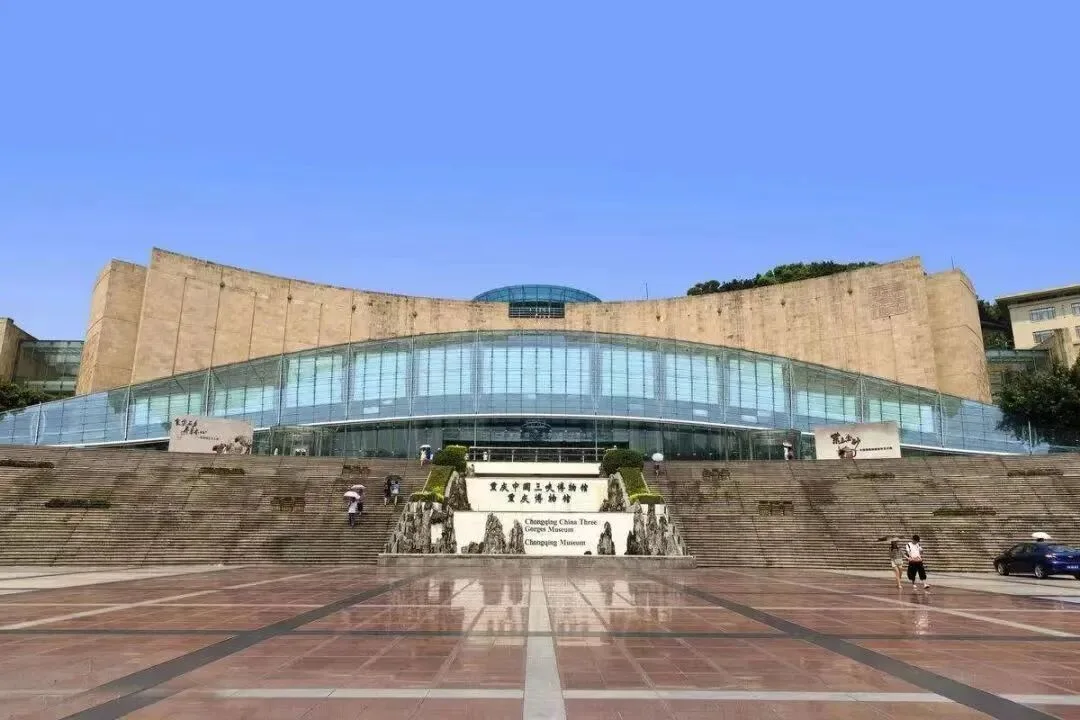
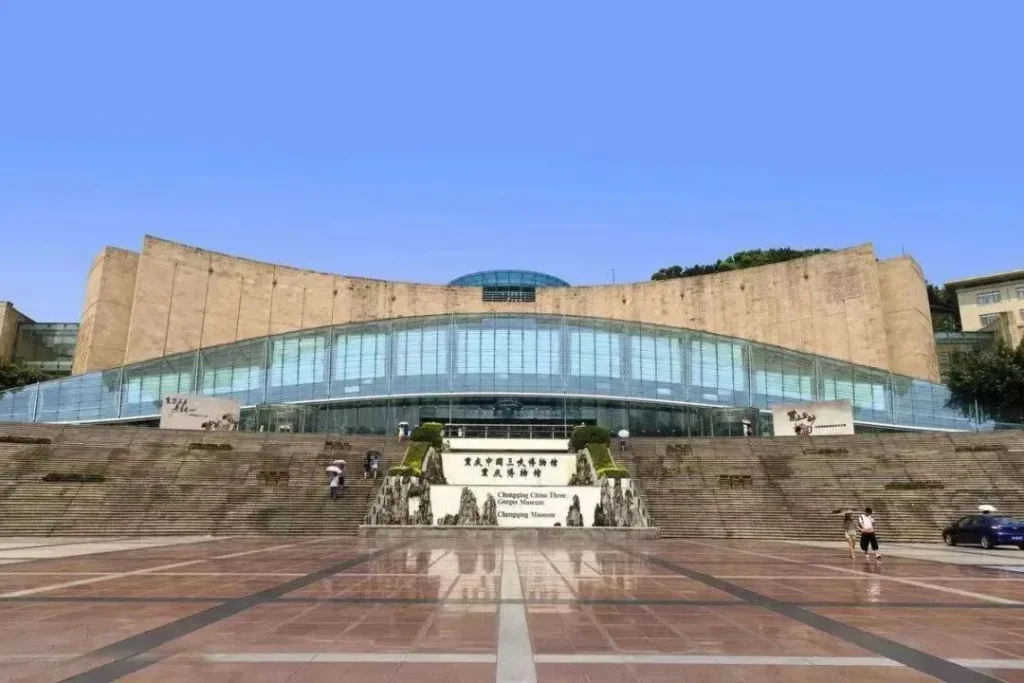
Start your exploration of Chongqing at the three Gorges Museum Chongqing. This grand museum is the perfect gateway to understanding the city’s soul—often called the place where you can grasp half the history of the ancient Ba and Shu cultures. A visit to the three Gorges Museum Chongqing is widely considered an essential starting point for any traveler looking to truly experience this mountain city.
Type: Historical & Art Comprehensive Museum, National First-Class Museum
Best Season: Year-round (a perfect indoor activity, rain or shine). For more details on planning your trip, check out the best time to visit Chongqing to align your museum visit with ideal weather.
Suggested Visit Duration: 3-4 hours
Opening Hours: Tuesday to Sunday, 9:00 AM – 5:00 PM (last entry at 4:30 PM). Closed on Mondays (except public holidays).
Ticket Price: Free, but requires a real-name reservation in advance.
Address: 236 Renmin Road, Yuzhong District, Chongqing
2.History Behind the Museum
The museum’s full name is the Chongqing China Three Gorges Museum, and its creation is deeply tied to a massive engineering project: the Three Gorges Dam. To rescue countless priceless artifacts from the rising waters of the reservoir, the government decided in 2000 to build this museum in Chongqing. Today, the three Gorges Museum Chongqing stands as a monument to that preservation effort. Its roots go back further, to the “Southwest Museum” established in 1951, making it the city’s oldest museum. The current building opened to the public in 2005.
Today, it does more than just house artifacts rescued from the Three Gorges area. It systematically showcases the Ba-Yu culture (the ancient kingdoms of Ba and the Yu region) centered around Chongqing, the culture of the Three Gorges, and the city’s pivotal role as China’s wartime capital. In short, the three Gorges Museum Chongqing tells the complete story of this land, from the “Wushan Man” who lived over 2 million years ago to the modern metropolis it is today. For those planning a broader visit, this museum pairs perfectly with a Chongqing tour that covers the city’s top historical sites.
3.Top Highlights & What to Experience
The main building has four floors, each with a different theme. It’s best to start on the first floor and work your way up. Exploring the three Gorges Museum Chongqing floor by floor gives you a structured journey through the region’s long history.
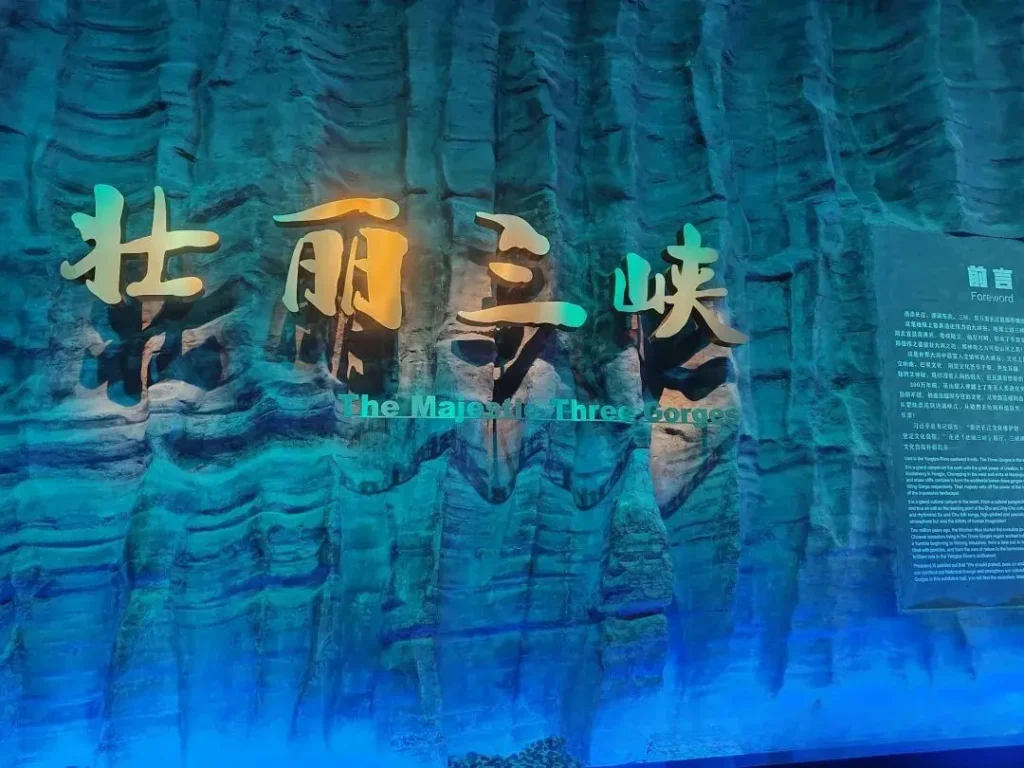
Floor 1: The Majestic Three Gorges – Why It’s Called “A World Wonder”
This is the museum’s most impressive exhibition hall, and a key reason to visit the three Gorges Museum Chongqing. It gives you a complete picture of the Three Gorges through three parts: natural wonders, historical records, and cultural heritage.
Must-See: The Wuyang Que. As you enter the hall, you’ll be amazed by a towering 5.4-meter-tall stone structure. This is a que, a type of ceremonial gate that stood before palaces or tombs in the Han Dynasty. It’s one of the most intact Han Dynasty que in China and acts as the museum’s grand “welcoming ambassador,” showing the deep roots of Chongqing’s urban history.
Experience: Step into the “Formation of the Three Gorges” zone. Using glasses-free 3D technology, you’ll witness the geological transformation of this area over hundreds of millions of years. Look up—the ceiling projects famous weather phenomena like the “Wushan Clouds and Rain” unique to the gorges region. This immersive experience is one of the highlights of the three Gorges Museum Chongqing.
Artifacts: Look for the left jawbone fossil of “Wushan Man,” over 2 million years old and one of the earliest pieces of evidence of ancient humans in East Asia. You’ll also find the Jingyun Stele, which records the life of a county magistrate from the Eastern Han Dynasty, and a huge Song Dynasty cliff carving. These artifacts are treasures that make the three Gorges Museum Chongqing a world-class institution.
Floor 2: Ancient Ba-Yu – Uncovering the Spirited Ba Kingdom
This exhibition tells the story of the ancient Ba people who lived in the Chongqing area before China was unified by Qin Shi Huang, the first emperor. A visit to this floor at the three Gorges Museum Chongqing reveals the unique identity of the region’s earliest inhabitants.
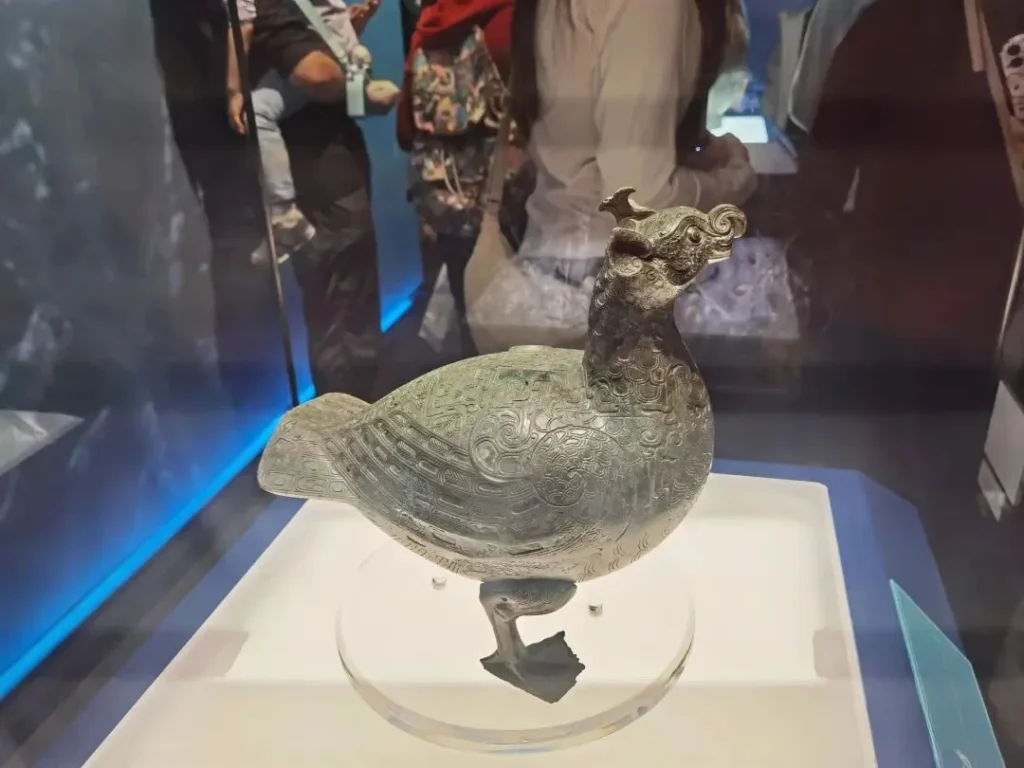
Must-See: The Bird-shaped Zun. This bronze vessel from the Warring States period is fascinating. It combines a fish mouth, eagle beak, phoenix crown, pigeon body, and duck feet, all inlaid with turquoise. It has no opening, suggesting it was a ritual object for sacrifices, showcasing the Ba people’s unique aesthetic and masterful casting skills.
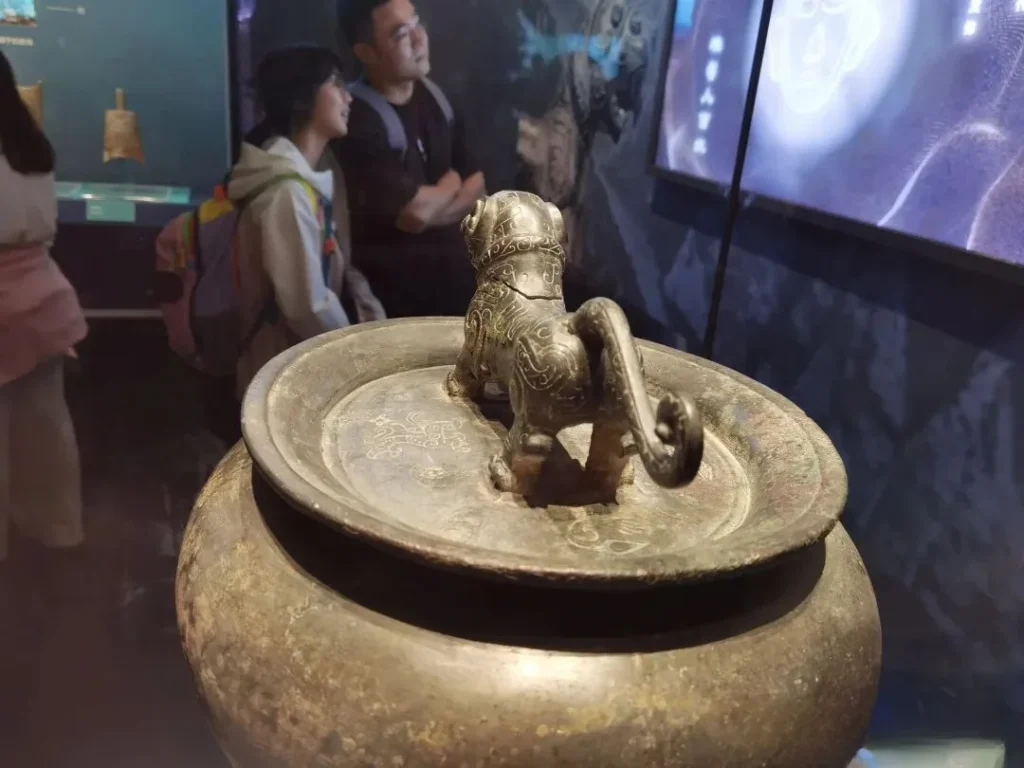
Must-See: The Tiger Button Chunyu. This was a percussion instrument used in ancient battles to command troops. What’s special is the tiger figure on top, reflecting the Ba people’s worship of tigers and symbolizing their warrior spirit. Known as the “King of Chunyu,” it’s a signature artifact of Ba culture and a highlight of the three Gorges Museum Chongqing.
Highlight: The Three-Horned Zun. This bronze wine vessel from the late Shang Dynasty has shapes and decorations clearly influenced by the central plains of China, but its casting style is more rugged. This proves that over 3,000 years ago, the Ba-Shu region had deep cultural exchanges with the central Chinese civilization.
Floor 3: The War Years & Han Dynasty Life
The War Years: This hall takes you back to the 1930s and 1940s when Chongqing, as China’s wartime capital, endured years of bombing by Japanese forces. Here, you’ll see photos and objects from that difficult time, including the last letter a revolutionary martyr wrote to her son from prison. It’s a moving tribute to the city’s “Hero City” spirit of resilience.
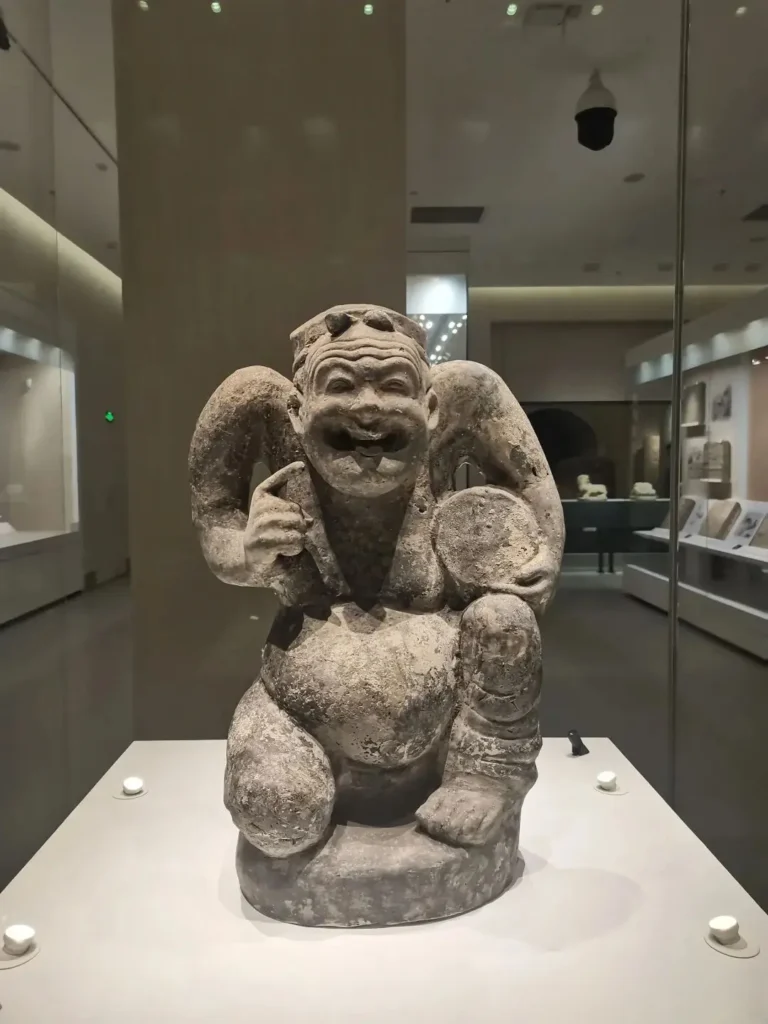
Han Dynasty Sculpture Art: The crowd favorite here is the Gray Pottery Storyteller Figurine. This “rapper” from 2,000 years ago has an exaggerated, lively expression and a humorous pose. It shows the energy of an ancient folk performer and brings a sense of joy that feels timeless.
Southwest Ethnic Folk Customs: In this area, you can see the clothing, tools, and architectural models of over 30 ethnic groups from Southwest China (including Chongqing, Sichuan, Yunnan, and Guizhou). Look for the drum towers of the Dong people and the traditional homes of the Tujia people for a glimpse into the region’s rich cultural diversity.
Floor 4: The Art Palace
Calligraphy & Paintings: This collection holds masterpieces from famous artists throughout history. The most renowned is a long handscroll painting by the Ming Dynasty master Tang Yin (Tang Bohu), a copy of the famous “Han Xizai’s Night Banquet.” You can examine the details of this lavish party scene from the Five Dynasties period.

Porcelain: This hall features exquisite ceramics from various dynasties. A true treasure is a white porcelain seated Guanyin (Goddess of Mercy) created by the Ming Dynasty porcelain master He Chaozong. Its elegant form and flawless craftsmanship make it a rare and valuable piece, capping off the diverse collections of the three Gorges Museum Chongqing.
4.Where to Eat Nearby
Food and drinks in unsealed containers aren’t allowed inside the museum, but there are plenty of great options around the area for after your visit.
Around Renmin Square: Right across from the museum, the area near Renmin Square has small eateries and restaurants. It’s a great spot to try local snacks like Chongqing noodles (xiaomian) or hot and sour sweet potato noodles (suanlafen).
Zhongshan Fourth Road: Known as “Chongqing’s Most Beautiful Street,” this road is lined with elegant restaurants and cafes. It’s a perfect place to relax and have a meal after exploring the three Gorges Museum Chongqing.
Authentic Hot Pot: Since you’re in Chongqing, hot pot is a must. The nearby Daxigou and Shangqingsi areas are home to many hot pot spots frequented by locals. For a fun preview, check out the replica of a nine-grid hot pot on the museum’s second floor in the “Road to the City” exhibit to get your appetite ready before heading out for the real thing.
5.Expanding Your Trip
The museum sits in the heart of Yuzhong District, Chongqing’s old city center. Several famous spots are within walking distance, making it easy to create a full day out.
Chongqing People’s Great Hall: This grand building is directly across from the museum. Built in the 1950s, it blends traditional Chinese palace style with southern Chinese architecture. It’s a landmark of Chongqing and a great spot for photos (entry ticket required).
Zhongshan Fourth Road: Just a 10-minute walk from the museum, this “Most Beautiful Street” is lined with old buildings from the Republican era. Along the way, you can visit Guiyuan (where the “Double Tenth Agreement” was signed) and Zhougong Mansion, a key site for the Communist Party’s Southern Bureau during the War of Resistance.
Zengjiayan Cliffside Path: This scenic walkway follows the Jialing River. It offers great river views and a unique perspective of Chongqing’s three-dimensional transportation system (like the light rail passing by in the distance), showing off the “mountain city” charm.
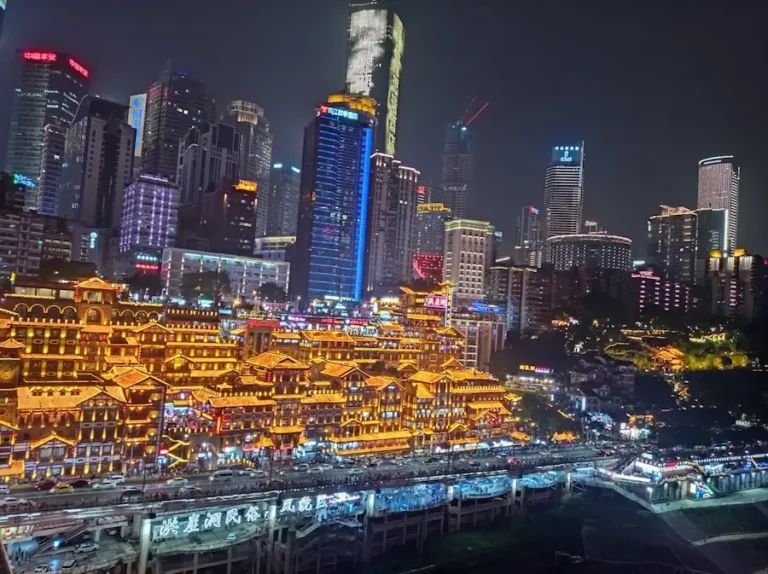
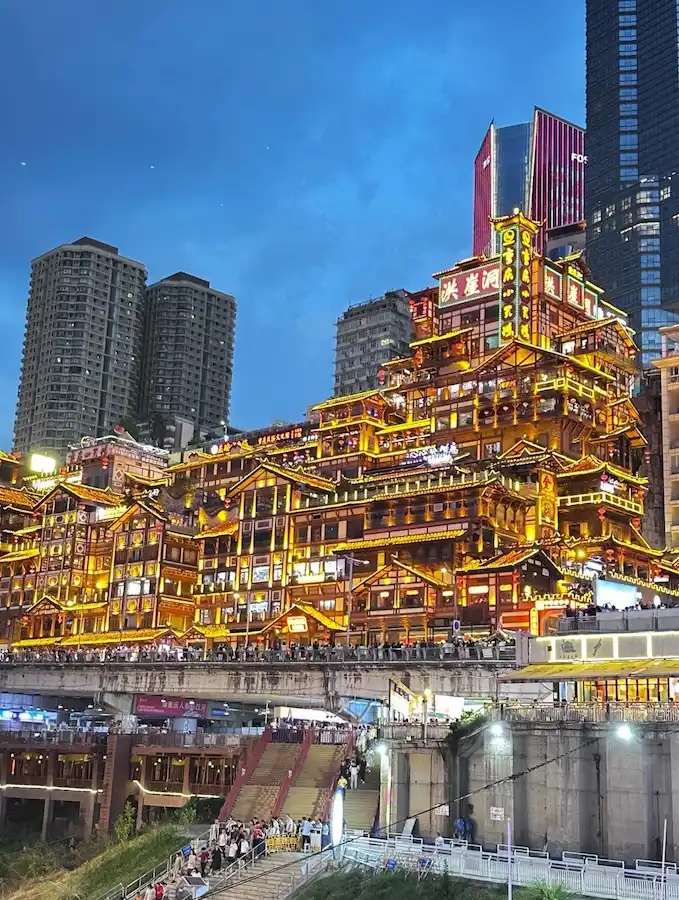
Liziba Light Rail Station: Take Line 2 one stop from Zengjiayan Station to this famous spot where the light rail train passes directly through a residential building. It’s a must-see for an unusual photo. While you’re exploring this area, you might also enjoy a visit to Hongya Cave Chongqing, another iconic spot that captures the city’s unique architecture.
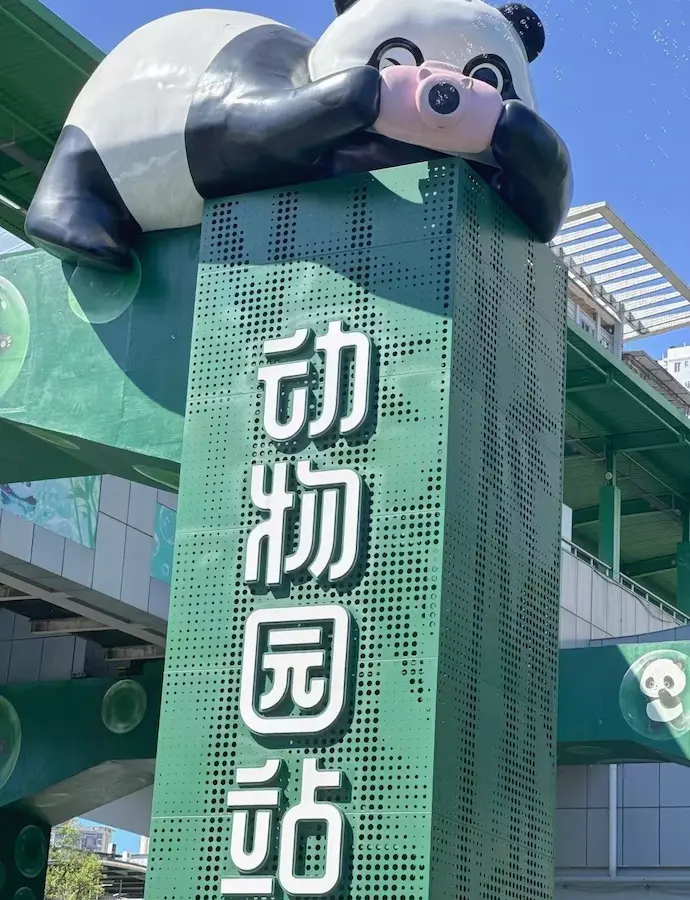
Eling Test Site 2 Factory: A short walk or taxi ride from Liziba, this creative park was converted from an old printing factory. It’s full of art spaces and design shops, a popular spot for young people to hang out and enjoy panoramic city views. For travelers interested in seeing more of the city’s wildlife and cultural sites, consider adding panda zoo Chongqing China and Ciqikou Ancient Town Chongqing China to your itinerary for a well-rounded experience.
6.Practical Tips
Getting There: The subway is the easiest way to reach the three Gorges Museum Chongqing. Take Line 2 or Line 10 to Zengjiayan Station. Use Exit 3 and walk for about 5-10 minutes. Line 10 also stops at Dalidang Station. You can also take a bus to Renmin Square or Daxigou stops.
Tours: Check at the service desk for times on free volunteer guided tours. Audio guides are available for rent (20 RMB / about $2.80 USD). For a more in-depth experience, book a professional guide (approx. 300 RMB / $42 USD for 2 hours, for up to 30 people).
Where to Stay: Pick a hotel in Yuzhong District, especially around Shangqingsi, Daxigou, or Jiefangbei. This area offers convenient transport links, making it easy to reach the three Gorges Museum Chongqing and other attractions either by subway or on foot.
7.Suggested Itineraries
Half-Day Highlights (3-4 hours):
If you’re short on time, start on the first floor with the “Majestic Three Gorges” hall to get the core story. Then, head up to the third floor for the “War Years” and “Han Dynasty Sculpture Art” exhibits. This route gives you a quick but powerful grasp of Chongqing’s two defining themes: its resilient wartime spirit and its ancient Ba-Yu roots. Even a short visit to the three Gorges Museum Chongqing can be deeply rewarding.
Full-Day Cultural Exploration:
Morning (9:00 AM – 12:30 PM): Explore the three Gorges Museum Chongqing, focusing on the first, second, and third floors.
Lunch (12:30 PM – 2:00 PM): Grab a meal at one of the eateries near Renmin Square or along Zhongshan Fourth Road.
Afternoon (2:00 PM – 5:00 PM): Take a stroll down Zhongshan Fourth Road, visiting Guiyuan and Zhougong Mansion. Then, walk along the Zengjiayan Cliffside Path to enjoy views of the Jialing River.
Evening: Take the subway Line 2 to Liziba Station to see the famous “train through the building” sight, then find a local hot pot restaurant in the nearby residential area for a memorable dinner.
8.Important Reminders
Book Ahead: Entry is free but requires a reservation. Use the museum’s official WeChat account to book 1 to 7 days in advance, especially during holidays and peak seasons. Planning your trip to the three Gorges Museum Chongqing ahead of time ensures a smooth entry.
Bring Your ID: You’ll need your ID card or reservation QR code to enter. International visitors, please have your passport ready for booking and entry.
What to Bring: Leave unsealed drinks and snacks behind. There are free luggage lockers at the entrance (smaller items might need a small deposit that is returned). Water fountains are available on each floor, so bring a reusable water bottle.
For Stamp Collectors: Each floor of the museum has a free stamping spot. Bring a small notebook to collect these unique souvenirs.
Check the Calendar: Remember the museum is closed on Mondays (unless it’s a public holiday) to avoid a wasted trip.
Dress Comfortably: The museum is large and involves a lot of walking. Comfortable shoes will make your visit much more enjoyable.
There’s a whole city waiting just outside the museum doors, where the past and present live side by side. So after you’ve traced millennia of history inside the three Gorges Museum Chongqing, step out and let Chongqing’s vibrant energy show you its own unforgettable story.