
Chongqing Most Famous Attraction Revealed: Your Ultimate 8D City Travel Guide for 2026
Planning a trip to China and looking for a city that feels like it’s from the future but tastes like it’s from a centuries-old recipe book? Let’s talk about Chongqing. This is a city that completely rewrites the rules of urban life. Locals call it the “Mountain City,” but foreigners have given it a cooler nickname: the 8D Magic City. Imagine a place where your light rail train burrows straight through a residential apartment building. Google Maps gives up here because the city is vertical, not flat. You might walk into a “first-floor” lobby, take an elevator up to the 10th floor, and walk out onto another street. It’s disorienting, thrilling, and absolutely unforgettable. Get ready for a journey packed with sizzling hot pot, neon-lit cliffsides, and some of the friendliest people you’ll ever meet. If you are planning your journey, consider a comprehensive chongqing tour to make the most of your time.
Why Chongqing Feels Like a Sci-Fi Movie
Nestled in southwest China where the Yangtze and Jialing Rivers collide, Chongqing’s skyline doesn’t just rise; it climbs. The unique topography means buildings cling to steep hills, creating a cityscape that looks layered like a cake. This isn’t just a visual treat; it’s the very reason the city feels so adventurous. Whether you’re hunting down the Chongqing most famous attraction or just wandering, every turn offers a new surprise. Understanding the climate is key to packing; learning the best time to visit chongqing will ensure you experience the city in perfect weather.
Downtown Gems: The Heart of the 8D Maze
These spots are easy to reach by metro and pack the biggest punch when it comes to that “only in Chongqing” feeling.
1.Hongyadong: The Real-Life Spirited Away
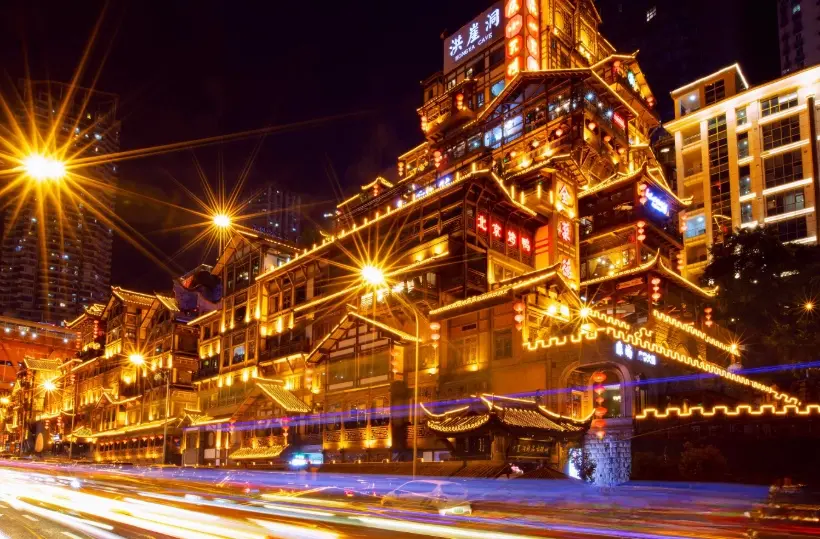
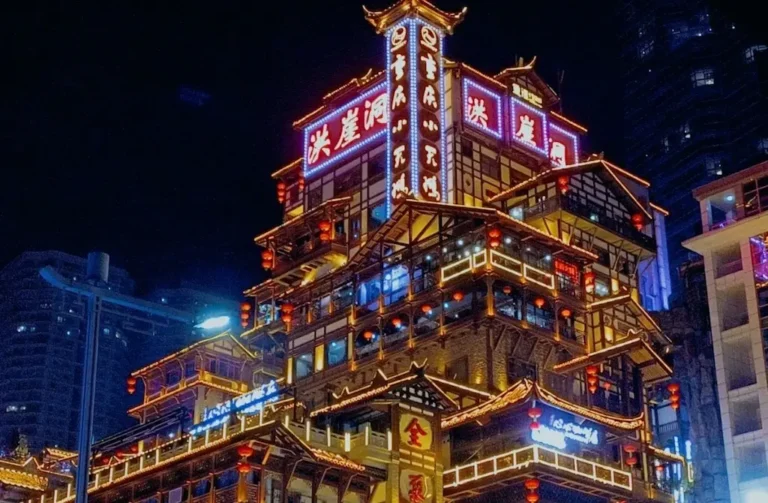
If you’ve seen the anime Spirited Away, you’ll feel a sense of déjà vu here. This is the Chongqing most famous attraction for a reason. It’s a massive complex of traditional stilted houses (diaojiaolou) built right into a cliff face spanning 11 stories. This specific site, hongya cave chongqing, is the crown jewel of the city’s night views.
How to experience it:
Timing is everything: Show up after 7:00 PM. That’s when the golden lights flip on, turning the wooden architecture into a glowing fantasy palace reflected in the river.
Snap that shot: Skip the crowded entrance. Head to the Qiansimen Bridge for a bird’s-eye view, or cross to the riverside park on the north bank for the classic reflection shot.
The vibe: You can enter from the top (near Jiefangbei) and wind your way down through shops and eateries. Exiting at the bottom and looking up is where you truly grasp the scale of this place. It is, without a doubt, the city’s absolute most famous attraction.
Cost: Entrance to the main complex is free. Snacks and souvenirs inside vary, but a small treat might cost around ¥10–30 ($1.50–$4.00).
2.Jiefangbei & The Food Crawl
A short walk from the top of Chongqing most famous attraction stands the Jiefangbei (Liberation Monument) . This historic WWII memorial is now the bustling center of modern Chongqing, surrounded by luxury malls.
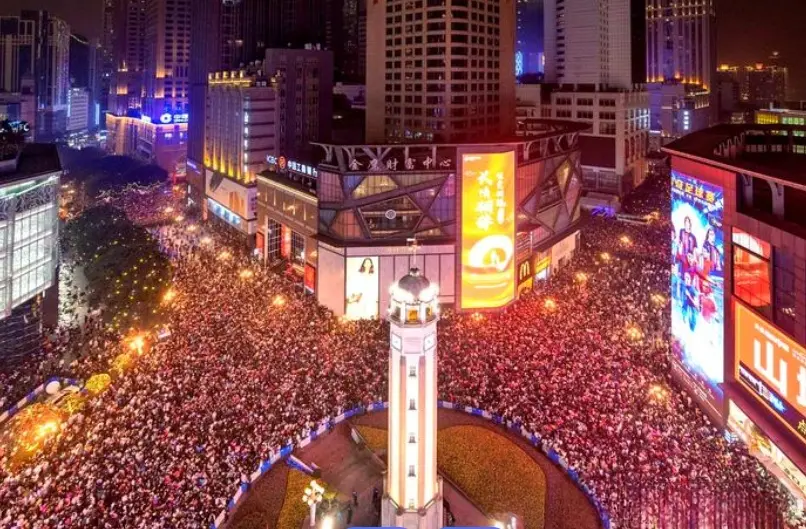
What to do: Take your photo with the monument, but your real mission is food. Duck into the nearby Bayi Good Street (Bayi Lu) . This is a great place to start a chongqing food tour.
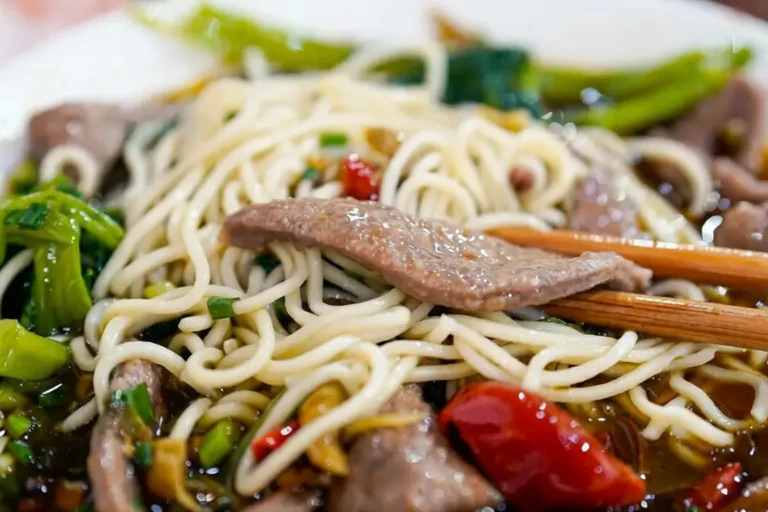
Fuel up: Grab a bowl of Suan La Fen (hot and sour rice noodles) for about ¥10–15 ($1.50–$2.00) or a refreshing bowl of Bingfen (ice jelly) to cool down from the spice.
3.Liziba Station: The Train Through a Building
This is the poster child for Chongqing’s “8D” reputation. Line 2 of the monorail passes directly through the 6th to 8th floors of a residential building . While it’s not the Chongqing most famous attraction (that title belongs to the glowing palace on the river), it runs a close second for novelty.
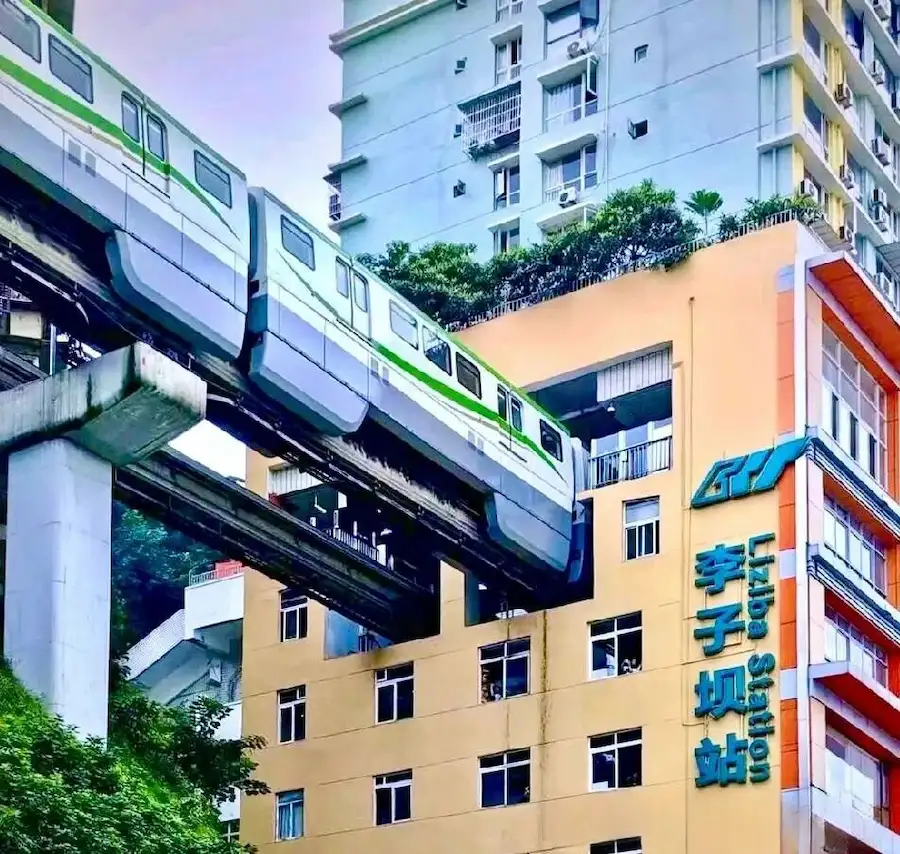
How to see it: Don’t just ride it (though you should); get off at Liziba station and head down to the designated viewing platform below the tracks. Wait a few minutes, and you’ll see the train emerge from the concrete like a magic trick.
Pro Tip: For a less crowded view, walk to the nearby Lansheng Pavilion to see the train run along the river.
4.Yangtze River Cableway: The “Air Bus”
Before all the bridges were built, this cable car was how locals commuted across the river. Now, it’s a moving observation deck.
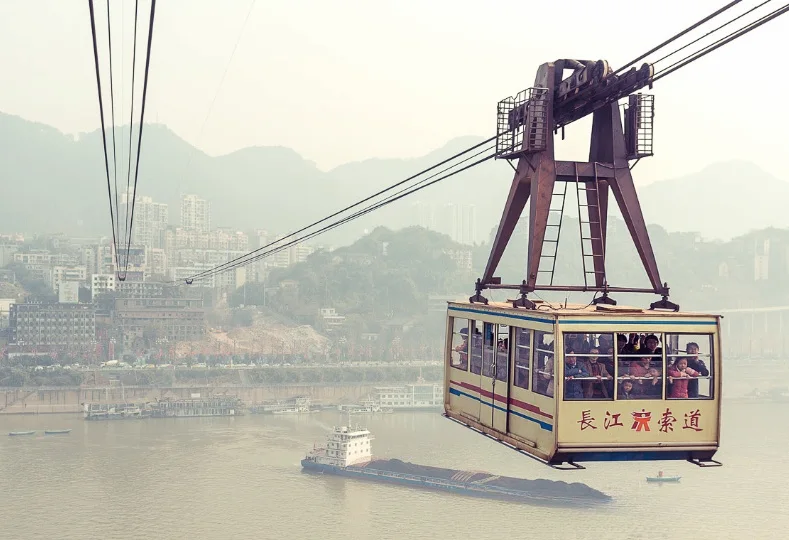
The Ride: The 5-minute glide offers stunning views of the city skyline and the murky Yangtze.
Skip the Line: The queue at the Jiefangbei side can be brutal. Take the metro to the south bank (Shangxinjie Station) and ride it back towards the city center. The line is usually much shorter there.
Cost: Single trip tickets are about ¥20 ($2.80) .
5.Ciqikou Ancient Town: A Taste of Old China
A thousand-year-old town nestled against the river, Ciqikou feels like stepping back in time. The stone alleys are packed with the scent of roasting tea and frying Mahua (twisted dough sticks).
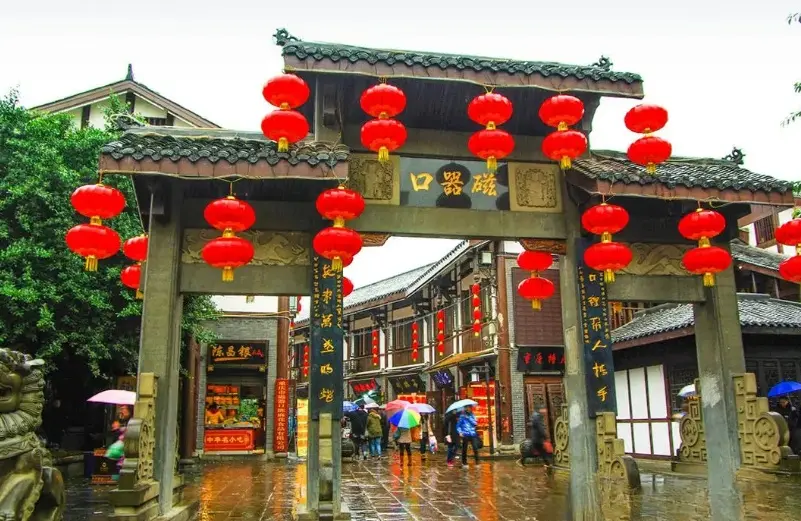
Vibe: It’s lively and bustling. Wander off the main path to find quieter teahouses where you can sit by the river and soak in the atmosphere.
6.The “Old” City: Shancheng Lane & Shibati
For a break from the glitz, head to Shancheng Lane (Mountain City Trail) . It’s one of the few places left where you can experience the old-school, rugged charm of life on the stairs.
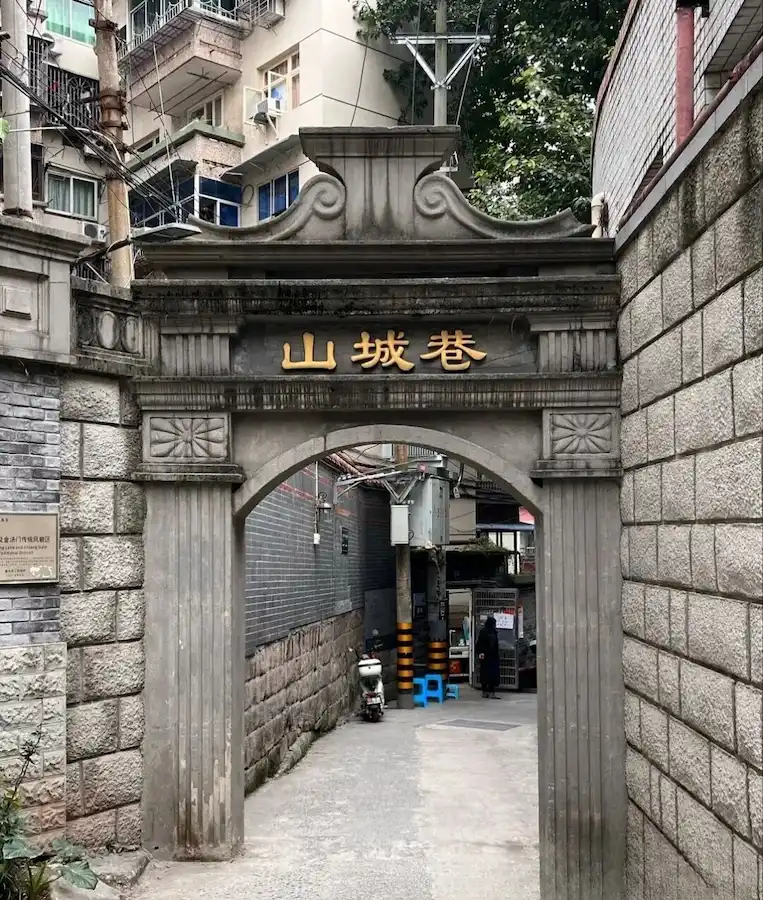
Walk Smart: Start at the top near Qixinggang (Liziba Station area) and walk down. You’ll pass old homes, see the remnants of the French convent, and find cozy cliffside cafes.
Nearby, Shibati has been beautifully restored to show how the upper and lower parts of the city used to connect via steep stone steps.
7.Guanyinqiao: The Local Hangout
If you want to see where Chongqing’s trendy youth spend their weekends, go to Guanyinqiao in Jiangbei District. It’s less touristy than Jiefangbei. Look for the giant “I 💫 Chongqing” sign; it’s a beloved photo spot.
8.More Urban Gems
Xiahaoli: An artsy, quieter alternative to Ciqikou with fantastic river views.
People’s Great Hall: A massive, temple-like building. The best photo is from across the square in front of the Three Gorges Museum .
Hong’en Forest Park: Hike up to Hong’en Ge (the pavilion) just before sunset. The 360° view of the entire city lighting up is arguably better than the more famous Nanshan Yikeshu Viewing Platform.
Escaping the City: Nature & Ancient Wonders
If you have extra days, the areas surrounding Chongqing offer some of China’s most spectacular scenery. While the urban jungle holds the Chongqing most famous attraction, the outskirts hold the ancient secrets.
1.Wulong Karst: Where Hollywood Meets Nature
A UNESCO World Heritage site, this is the ultimate day trip. It’s about a 2-hour train ride from the city.
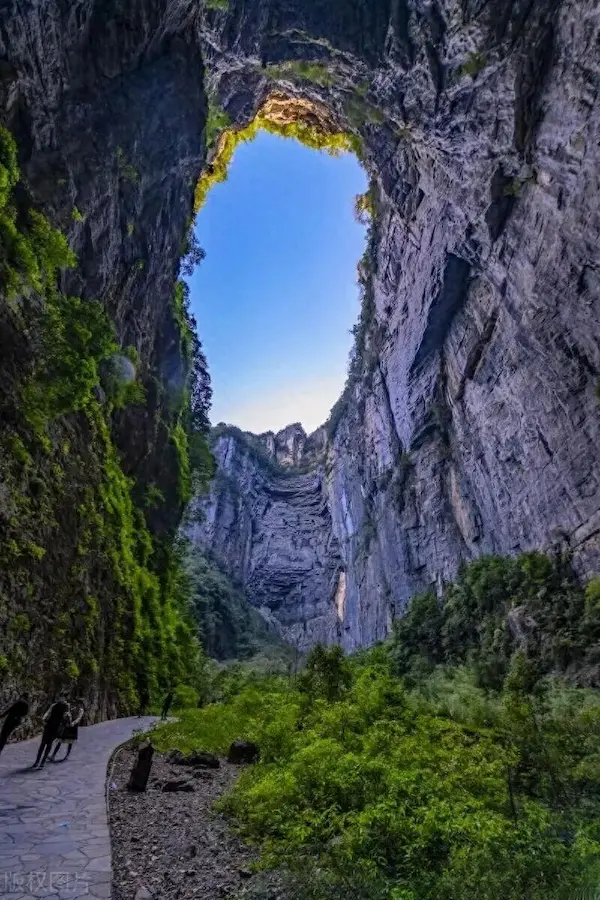
Three Natural Bridges: Enormous natural stone arches formed by collapse. You walk down into the gorge, passing the ancient Tianfu Official Post—a beautiful Chinese courtyard that served as a filming location for Transformers 4 and Curse of the Golden Flower.
Getting there: Join a tour or take a bullet train to Wulong and a local bus. Entrance to the main sights is around ¥125 ($17.50) for the Three Bridges.
2.Dazu Rock Carvings: A Silent Sermon in Stone
Another UNESCO site, these are stunning cliffside carvings dating back to the 7th century. Unlike the Buddhist art elsewhere in China, the Dazu carvings mix in Taoist and Confucian themes, showing daily life and moral lessons. It is one of the most significant cultural relics in the region, second only to the Chongqing most famous attraction in terms of historical importance.
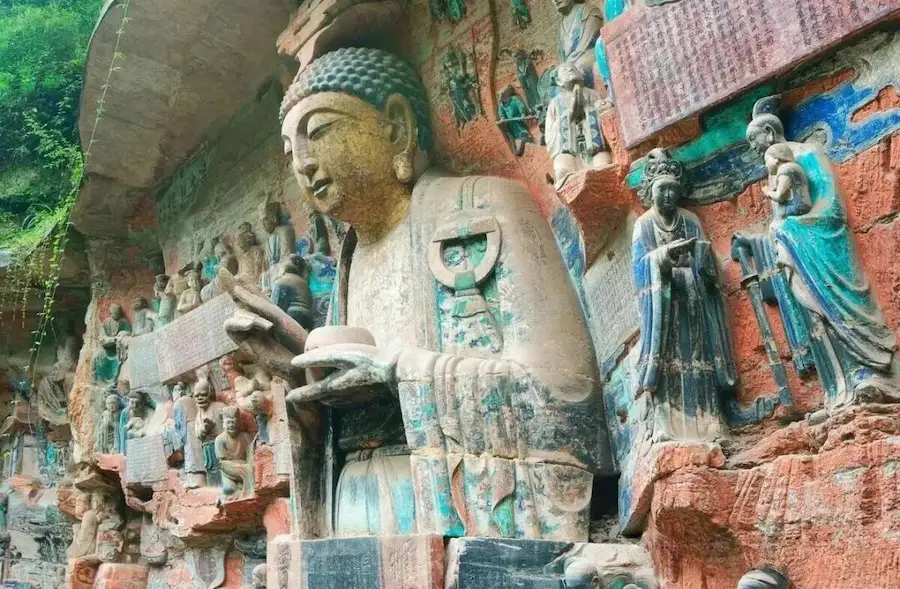
The Star: The Thousand-Hand Guanyin at Baodingshan is a breathtaking restoration project featuring over 1,000 arms fanned out like a golden peacock. You can read more about the dazu rock carvings chongqing china to prepare for your visit.
Cost: Entrance is about ¥90 ($13.00) .
3.The Three Gorges & Beyond
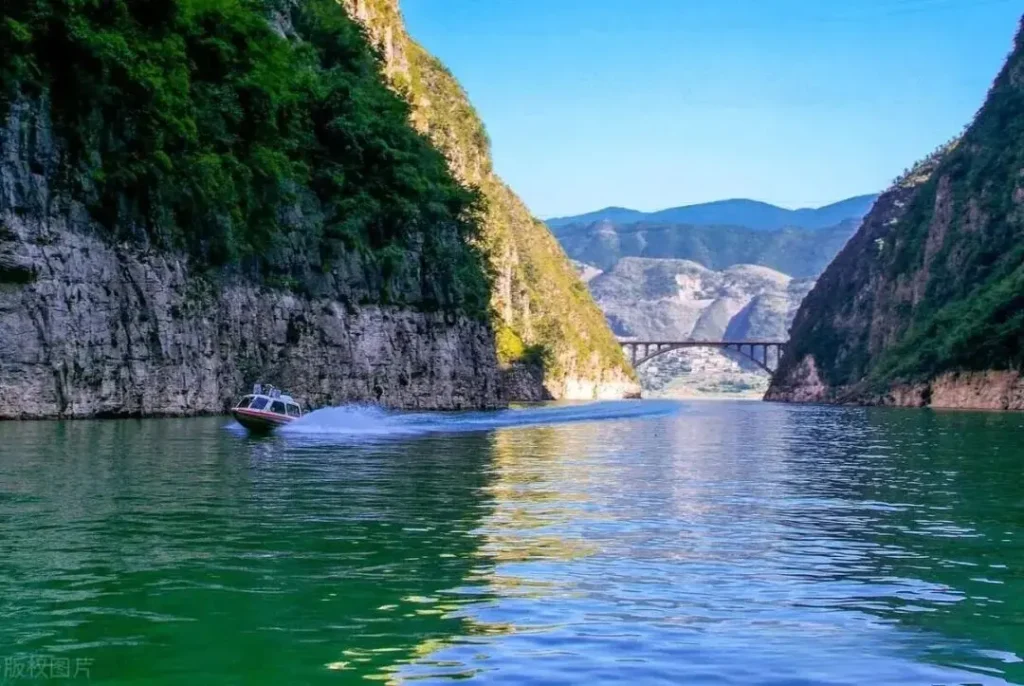
For those with a sense of adventure, the Yangtze River Cruise from Chongqing to Yichang is a trip of a lifetime, taking you through the stunning Qutang and Wu gorges. You can also visit Fishing City (Hechuan) , a mountaintop fortress that famously halted the Mongol Empire’s advance.
Sample Itineraries: How to Plan Your Days
Classic 2 Days: The City Highlights
Day 1: Start at Jiefangbei, snack at Bayi Street, ride the Yangtze Cableway (from the south bank), and explore Shibati. End with the light show at Hongyadong. Seeing this Chongqing most famous attraction at night is the highlight of any trip.
Day 2: Hit Ciqikou in the morning, then head to Liziba for the train shot. Spend the afternoon wandering Xiahaoli before grabbing dinner with a view on Nanbin Road.
Deep Dive 4 Days: Adding Nature
Day 1: City sights (Jiefangbei/Hongyadong). Seeing the Chongqing most famous attraction lit up at night is a must.
Day 2: High-speed train to Wulong. See the Three Natural Bridges. Stay overnight in the mountain town.
Day 3: Explore Fairy Mountain or Furong Cave. Return to Chongqing in the evening.
Day 4: Day trip to Dazu to see the Rock Carvings.
Insider Tips for Foreigners
Cash is No Longer King: China runs on WeChat Pay and Alipay. As a visitor, you can now link your international credit card to Alipay relatively easily. Set this up before you leave. Taxis and street food stalls prefer this.
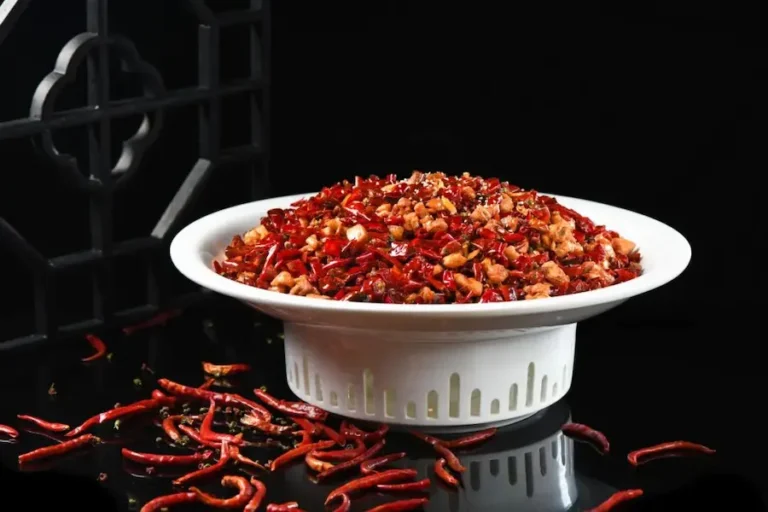
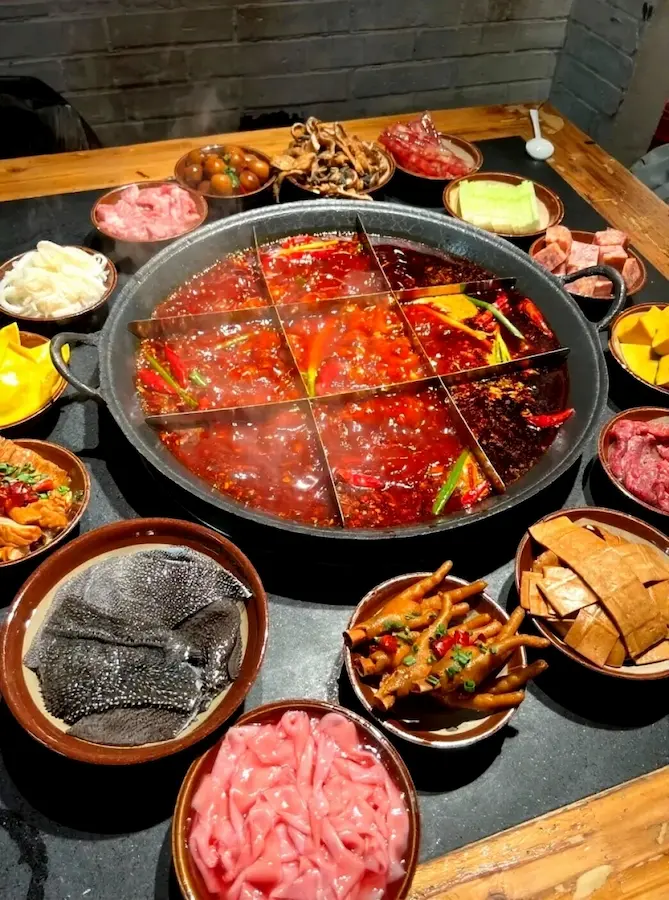
The Spice is Real: Chongqing is the home of “Mala” (numbing and spicy). When ordering hot pot, if you’re sensitive, ask for “Wei La” (mild spice) or a “Yuan Yang” pot (split pot with a mild broth on one side). Locals consider “mild” to still be fiery. Keep a bottle of cold milk nearby to combat the burn—water makes it worse.
The “Fake” Ground Floor: Remember, the lobby might be on the 1st floor, but that could be 50 meters above the actual street below. When using navigation apps, trust the direction but not the altitude. Look for signs pointing to elevators or stairwells to get down.
Learn the Lingo: Save a few phrases on your phone: “Bu La” (no spice), “Xie Xie” (thank you), and the name of your destination written in Chinese to show taxi drivers.
Best Time to Visit: Spring (March-May) and Autumn (Sept-Nov) offer mild weather perfect for all the walking you’ll do. Summers are brutally hot, and winters are foggy and damp.
Cost of Living Reality: You’ll be amazed at the value. A nice central hotel room can cost as little as ¥140 ($20) per night. A hearty bowl of noodles might set you back ¥10–15 ($1.50–$2.00) , and a full, satisfying hot pot dinner for two can be found for around ¥120–160 ($17–$22) if you avoid the tourist traps. After a long day of sightseeing, recovering with a chongqing food tour is the perfect way to refuel.
Frequently Asked Questions
What is the most famous site in Chongqing?
Without a doubt, Hongyadong is the Chongqing most famous attraction. Its stunning cliffside architecture and vibrant night lights make it an iconic symbol of the city.
Is visiting Hongyadong free?
Yes, entry to the main complex of what is widely considered the Chongqing most famous attraction is completely free.
How much does a visit to the Dazu Rock Carvings cost?
The entrance fee for the main Baodingshan site at the dazu rock carvings chongqing china is approximately ¥90 ($13.00).
Where can I see the train going through a building?
You can see this unique sight at Liziba Station. While it competes for attention with the Chongqing most famous attraction, it is a quintessential example of the city’s 8D nature.
Chongqing doesn’t just show you its sights; it makes you feel them in your legs as you climb the stairs, on your tongue as you taste the chili, and in your eyes as you watch the skyscrapers glow against the night sky. So, pack your walking shoes, bring an empty stomach, and come get delightfully lost in the 8D city.
One Comment