Discover the Art Museum of Dazu Rock Carvings Chongqing: Your Ultimate Guide to China’s Hidden Buddhist Treasure
1.The Big Picture
Start your journey at the art museum of Dazu Rock Carvings Chongqing—the perfect introduction to a UNESCO World Heritage site often called “the last great monument in the history of Chinese grotto art.” This museum sits right at the heart of the Dazu Rock Carvings area, making it your best starting point. Whether you’re planning your broader list of chongqing attractions or focusing specifically on this UNESCO gem, the museum itself deserves a top spot.
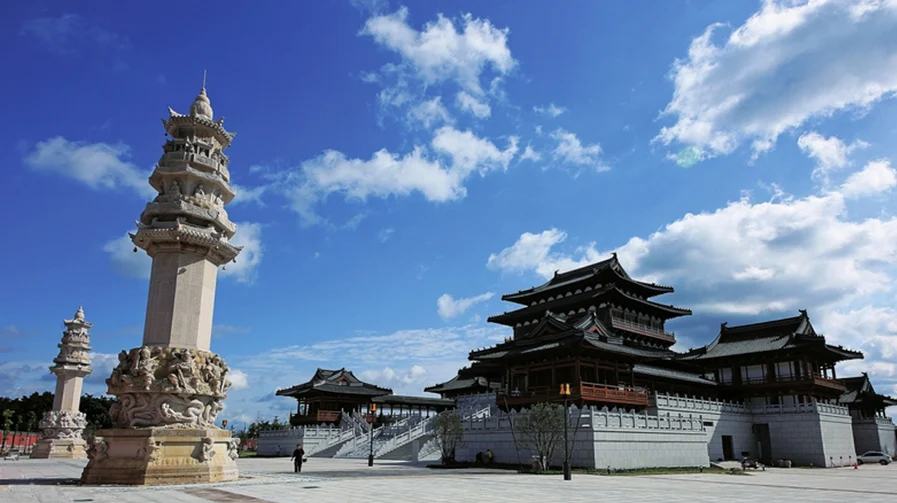
Type: UNESCO World Heritage Site / Art Museum / Grotto Ruins
Best Season: Spring and autumn (March–May, September–November)—mild weather makes exploring outdoors a real pleasure.
Suggested Time: Plan 1.5–2 hours at the art museum of Dazu Rock Carvings Chongqing. If you also want to see the main rock carvings (like Baodingshan), set aside a full day.
Opening Hours:
Art Museum of Dazu Rock Carvings Chongqing: Tuesday–Sunday, 9:00 AM – 5:00 PM (last entry at 4:30 PM). Closed Mondays except public holidays.
Baodingshan / Beishan Scenic Areas: 9:00 AM – 6:00 PM (last ticket at 5:00 PM).
Tickets:
Art Museum of Dazu Rock Carvings Chongqing: Free entry. Just walk in.
Baodingshan Rock Carvings: Ticket required (usually 120 RMB/person, about $17 USD). This ticket includes museum access. If you plan to see the carvings, just buy the scenic area ticket.
Address: No. 2 Xiangshan Street, Baoding Town, Dazu District, Chongqing (inside the Baodingshan Scenic Area, where the art museum of Dazu Rock Carvings Chongqing is located).
2.A Story Carved in Stone
The Dazu Rock Carvings began in the Tang Dynasty (around the 7th century), grew during the late Tang and Five Dynasties, and reached their peak in the Song Dynasty (10th–13th centuries). Unlike the earlier royal grottoes in northern China—such as Yungang and Longmen—the Dazu carvings were mostly funded by local officials, monks, and ordinary people. That’s why they feel closer to everyday life.
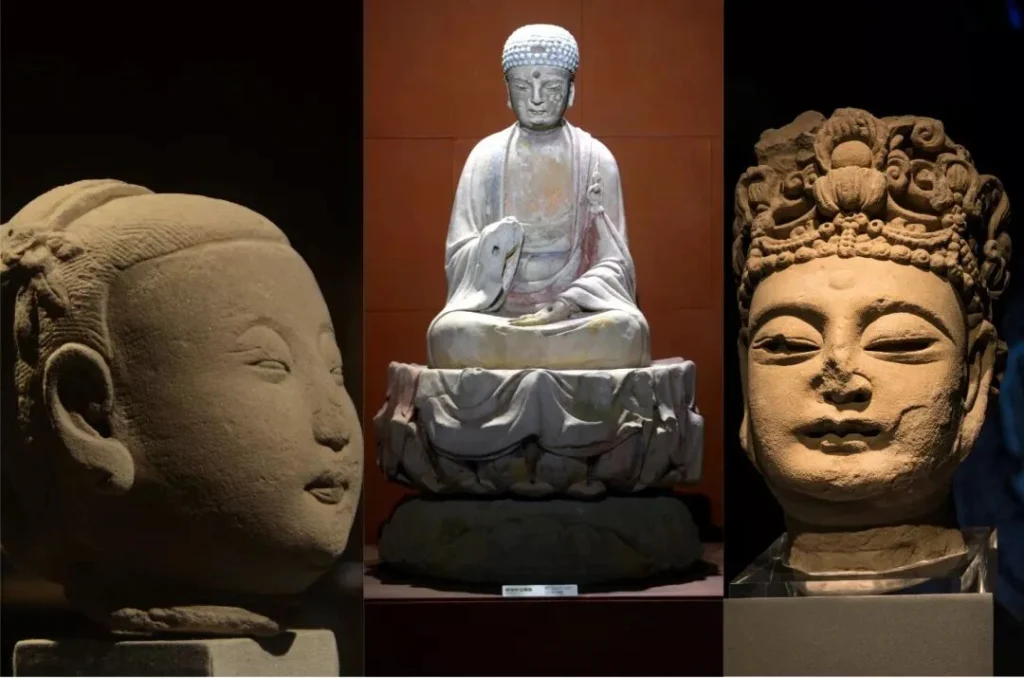
One unforgettable name is Zhao Zhifeng, a monk from the Southern Song Dynasty. He dedicated his entire life to carving Baodingshan, planning and leading the work for over 70 years. His vision turned a mountainside into a complete, large-scale grotto complex. In 1999, UNESCO added the Dazu Rock Carvings to the World Heritage List, calling them “a masterpiece of human creative genius” and praising their unique fusion of Confucianism, Buddhism, and Taoism.
3.What to See and Experience
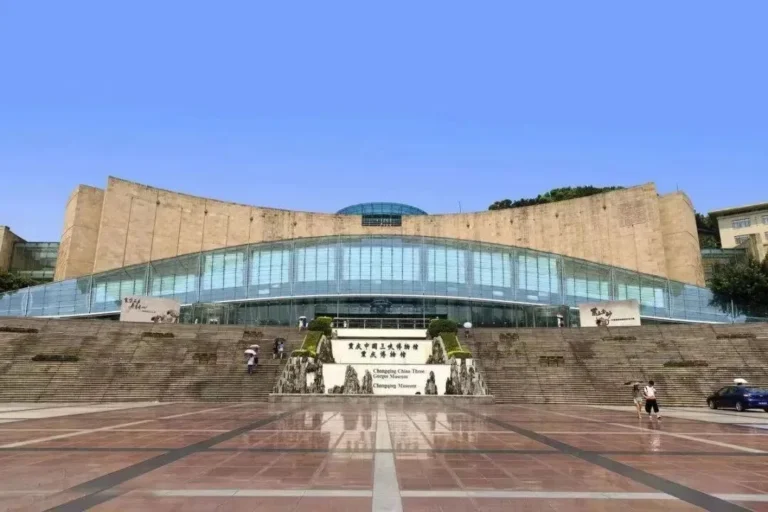
The art museum of Dazu Rock Carvings Chongqing is a modern, purpose-built museum. What makes it special isn’t just the collection inside—it’s how the museum connects to the ancient carvings in the wild.
3.1 The Permanent Exhibition: “The Nirvana of Art – Dazu Rock Carvings”
This exhibition at the art museum of Dazu Rock Carvings Chongqing walks you through seven sections with nearly 500 artifacts. It tells the story of grotto art in a way that feels personal and vivid.
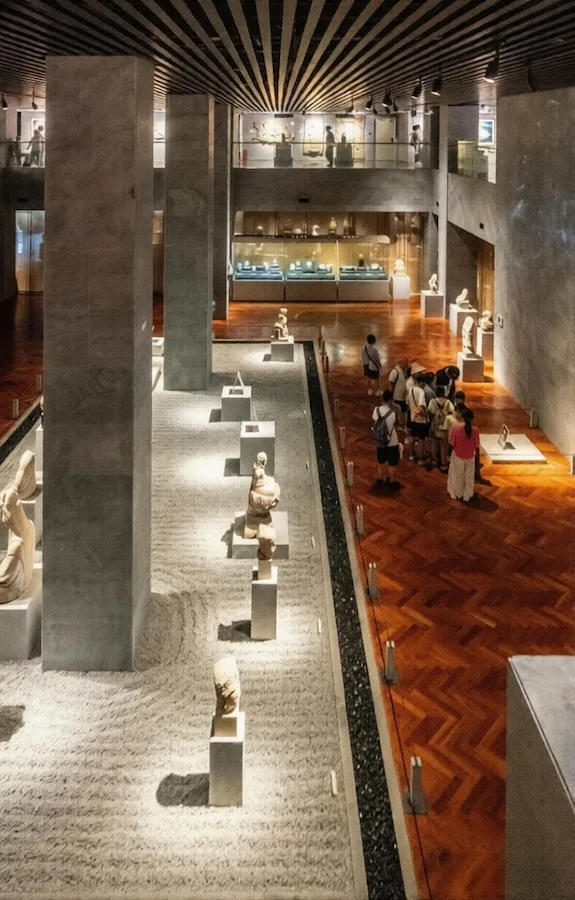
Three Must-See Treasures:
Seated Sakyamuni (Southern Song Dynasty): Originally kept at the Small Buddha Bay, this statue was created by Zhao Zhifeng himself. Look closely—the robes flow like a waterfall, and the Buddha’s half-closed eyes radiate quiet peace. It’s a masterpiece of Song Dynasty carving.
Thousand-Armed Guanyin (Restoration Story): The museum gives you a powerful backstory. A team spent eight years restoring the Thousand-Armed Guanyin statue at Baodingshan—one of China’s most complex stone-conservation projects. They used over one million sheets of gold foil to bring back its brilliance. Learning this story makes seeing the original statue later unforgettable.
Ming Dynasty Hollow Incense Burner (1471): This 500-kilogram incense burner is carved with five layers of openwork—lions playing with embroidered balls, dragons winding through clouds, and even smoke holes shaped like lotus stamens. It’s a peak example of Ming craftsmanship.
Three Religions in One Place: What makes Dazu truly rare is how it blends Buddhism, Taoism, and Confucianism. In one gallery at the art museum of Dazu Rock Carvings Chongqing, you’ll find statues of Confucius with his ten disciples (Confucian), Laozi (Taoist), and Buddhas and Bodhisattvas (Buddhist)—all standing together peacefully. It’s a living example of Chinese culture’s inclusive spirit.
Song Dynasty Daily Life: Artifacts excavated from Song tombs show scenes like “Woman Opening the Door” and “Watching a Show from the Railing.” These pieces bring 1,000-year-old street life, fashion, and entertainment back to life.
3.2 The Outdoor Carvings: Baodingshan and Beishan
Think of the art museum of Dazu Rock Carvings Chongqing as the prologue—the outdoor carvings are the main story. Visit the museum first, then head out to see the stone masterpieces in person.
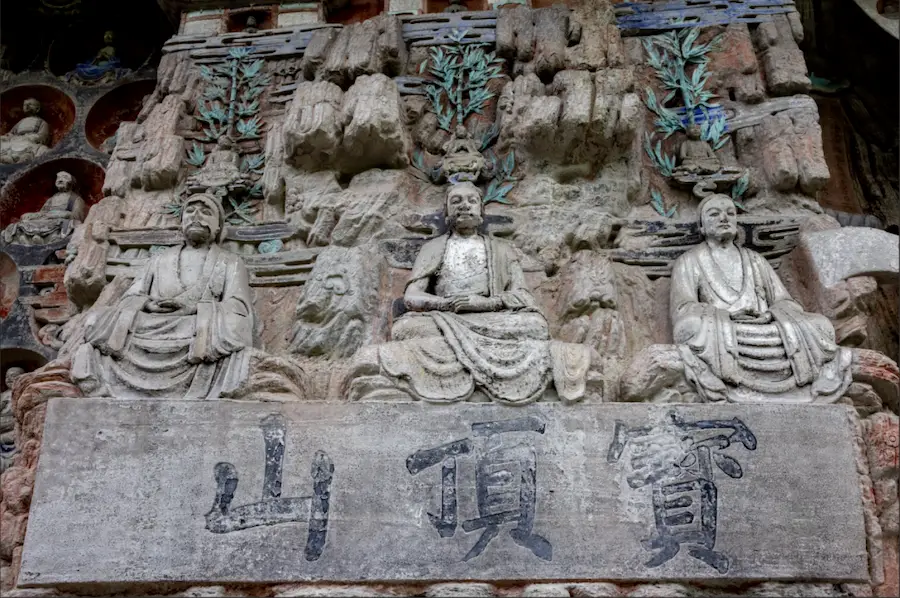
Baodingshan (The Heart of Dazu):
Thousand-Armed Guanyin: China’s largest stone carving of the thousand-armed Guanyin. With 830 arms spread out like a peacock’s tail, it’s breathtakingly grand and radiant.
Nirvana of Sakyamuni: A giant reclining Buddha stretching 31 meters long. Only the upper body is visible—the rest disappears into the mountain, suggesting the Buddha is “too great to be measured.”
Six Paths of Reincarnation: A massive wheel that illustrates Buddhist ideas of life, death, and karma in vivid detail.
The Sutra on Filial Piety: A series of sculptures showing parents’ devotion to raising children—tying Buddhist teachings to the Chinese value of filial respect.
Yuanjue Cave: A beautifully carved cave with a hidden drainage system that shows just how clever the ancient builders were.
Beishan (Elegant and Refined):
Zhuanlun Scripture Repository Cave: Often called “the crown jewel of Chinese grotto art.” The bodhisattvas here are carved with incredible detail and grace—every one nearly perfect.
Bead-in-Hand Guanyin: With its graceful pose and gentle expression, this statue is lovingly nicknamed “the Venus of the East.”
Ancient Xiaojing Stele: A rare 22-chapter version of the Classic of Filial Piety, described by experts as “unique in the world.”
3.3 High-Tech Immersion
8K Dome Theater & 4K Widescreen Theater: Located inside the Digital Exhibition Center. This is the world’s first 8K dome theater with Dolby Atmos. You can lean back and watch as giant images of the Thousand-Armed Guanyin and the Reclining Buddha fill the ceiling. It’s a powerful way to grasp the scale and beauty of the site.
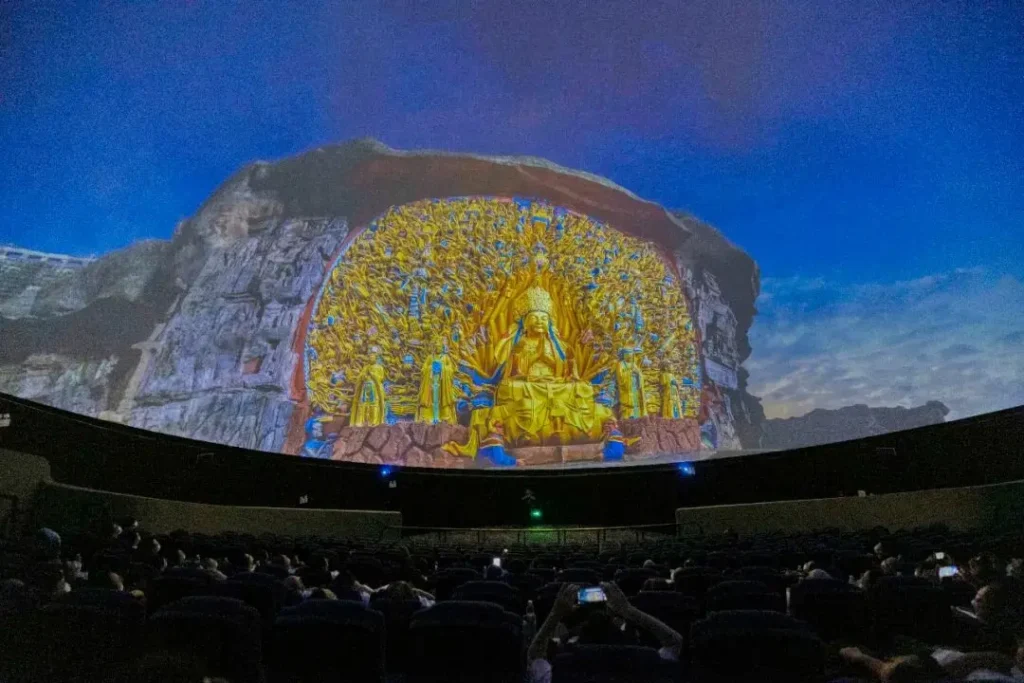
VR & AR Experiences: Inside the art museum of Dazu Rock Carvings Chongqing, try AR to “rubb” stone patterns virtually or explore a digital cave where you can feel like you’re talking with the ancient stone carvers.
4.What to Eat
Dazu is part of Chongqing—a city famous for bold, spicy food. After exploring, treat yourself to local flavors. If you’re stretching this visit into a longer exploration, you might find a chongqing 7 days itinerary helpful for planning the rest of your trip.
Chongqing Hot Pot: A must. Find a spot near the site or in Dazu town where locals gather. That spicy, numbing broth is unforgettable.
Youting Crucian Carp: A local specialty. Fresh crucian carp cooked with a rich mix of spices—tender and aromatic.
Dazu Soybean Noodles: A twist on Chongqing’s famous “xiaomian.” Thick sauce, springy noodles—great for a quick lunch.
Dingjiapo Potatoes: A local potato snack. Try them as spiral-cut fries or mashed with secret seasoning—simply delicious.
5.Going Deeper
The Dazu Rock Carvings are spread across five mountains. If you have extra time, these quieter sites offer something special. For those building a complete list of attractions in chongqing china, these lesser-visited carvings add wonderful depth.
Nanshan: About 2 km from Dazu town. Famous for its Taoist carvings, especially the “Three Pure Ones” cave—an important piece for Taoist art studies.
Shimenshan: 20 km east of Dazu. A mix of Buddhist and Taoist carvings. Don’t miss the “Ten Saints Guanyin” cave and the “Three Sovereigns” cave.
Shizhuanshan: 20 km southwest of Dazu. A classic “three religions” site. The Confucius and Ten Disciples niche is rare and precious.
6.Practical Tips
Getting There:
From downtown Chongqing: Take a high-speed train to “Dazu South Station.” From there, hop on the direct shuttle to the Dazu Rock Carvings Visitor Center, or take a taxi (about 40 minutes).
By car: Navigate to “Dazu Rock Carvings Visitor Center.” Parking is easy, about 6 RMB/day ($0.85 USD).
From Dazu town: Take bus 205 to “Baodingshan Police Station” stop and walk to the museum.
If you’re still deciding which places to see in chongqing fit your schedule, the Dazu Rock Carvings area—with its museum and outdoor sites—easily makes a full day.
Getting Around:
Walk between the museum and Baodingshan core area, or take the electric shuttle.
Guided Tours:
Highly recommended. Hire an official guide at the visitor center or museum, or rent an audio guide. A guide will bring the art and stories to life.
Where to Stay:
Dazu town: Most options—budget hotels to upscale, plus plenty of restaurants and shops.
Near Baodingshan: A few inns and hotels. Quieter, with fewer choices, but great for an early start.
Visa & Entry Info:
Wondering can americans visit chongqing? Yes—most travelers enter with a standard Chinese tourist visa. The Dazu area welcomes international visitors, and the art museum of Dazu Rock Carvings Chongqing is fully accessible to foreign tourists.
7.Suggested Itineraries
One-Day Trip (Highlights):
Morning: Arrive at the Dazu Rock Carvings Visitor Center. Start with the 4K/8K digital films (about 40 minutes) to get a visual overview.
Next: Visit the art museum of Dazu Rock Carvings Chongqing (about 1.5 hours) for historical and artistic background.
Lunch: Grab a meal near the site.
Afternoon: Explore Baodingshan (2–3 hours). See the Thousand-Armed Guanyin, Reclining Buddha, and other world-class treasures.
Evening: Head back to Chongqing or stay overnight in Dazu town.
Two-Day Trip (Deep Dive):
Day 1: Follow the one-day tour for Baodingshan (film + museum + carvings). Stay in Dazu town.
Day 2: Morning at Beishan (about 2 hours) to admire its elegant statues. Afternoon: choose one or two from Nanshan, Shimenshan, or Shizhuanshan based on your interests. Each offers a different theme. Head back in the evening.
8.Things to Keep in Mind
Wear comfortable shoes. You’ll walk a lot, and there are stairs.
Don’t touch the carvings or exhibits. Respect for the stone means leaving it untouched for future visitors.
Photos allowed in most areas, but turn off flash. Strong light damages the stone over time. Some galleries may have no-photo signs—please follow them.
Keep your voice down, especially inside the art museum of Dazu Rock Carvings Chongqing. A quiet atmosphere helps everyone enjoy the experience.
Check official updates. Before you go, look up the “Dazu Rock Carvings” official WeChat or app to confirm opening hours, ticket policies, and special exhibits.
Language help: The site has bilingual Chinese-English signs. It’s a good idea to have a translation app handy. If you want in-depth info, book an English-speaking guide—it makes a huge difference.
There’s something humbling about standing before a stone that someone carved by hand a thousand years ago—and seeing it still speak. Pack comfortable shoes, bring your curiosity, and let the art museum of Dazu Rock Carvings Chongqing be your first step into a story you’ll carry with you long after you leave.