Dazu Rock Carvings Chongqing China: A Complete Guide to the 1000-Year-Old Stone Masterpieces
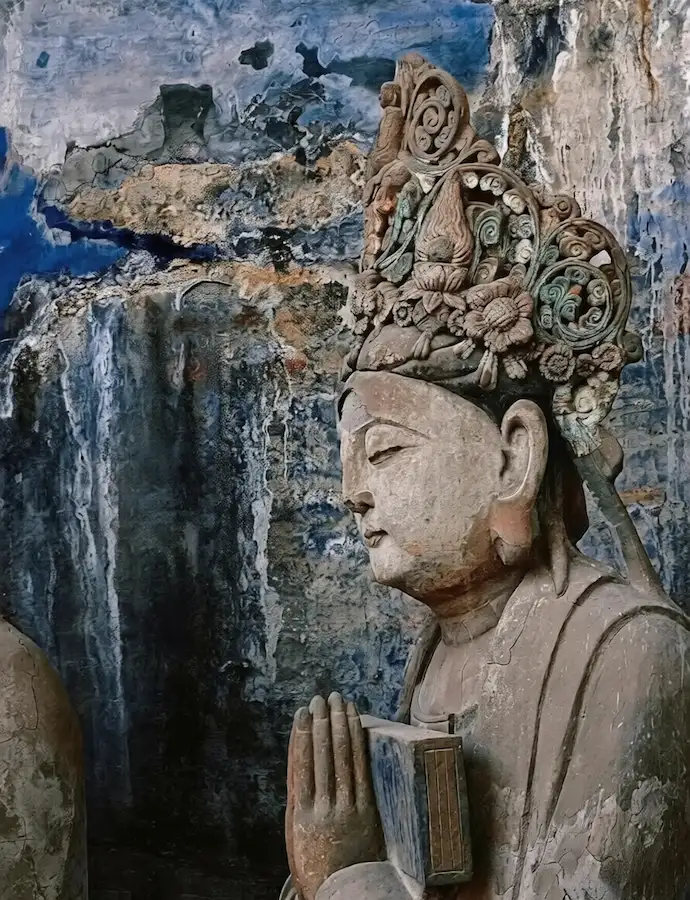
The Dazu Rock Carvings in Chongqing, China are an absolute must-see. Forget dry history lessons. Here, ancient stone comes alive with stories. Recognized as a UNESCO World Heritage Site, this is one of China’s largest and best-preserved clusters of rock art. What makes the Dazu Rock Carvings truly special is their down-to-earth charm. Unlike other caves focusing on solemn deities, these carvings vividly depict everyday life, moral tales, and folklore. They blend Buddhism, Taoism, and Confucianism into a stunning stone “picture book” that feels surprisingly relatable, even today. For anyone exploring the best places to visit in Chongqing China, this site tops the list.
Carved in Stone: Why Visit Dazu Rock Carvings?
You’re standing before a world-class artistic treasure. The Dazu Rock Carvings began in the Tang Dynasty and flourished during the Song Dynasty. Craftsmen worked for centuries, achieving a peak in Chinese sculptural art. The detail is breathtaking. Experts call this site “the last magnificent monument in the history of Chinese cave temple art.”
The human touch here is powerful. Many scenes show farmers, musicians, and family life. You see parables about kindness and consequences played out in stone. It’s a direct, moving window into ancient Chinese thought and society. The art feels accessible, not distant.
Getting here is straightforward. The site is only about 1.5 to 2 hours by road from central Chongqing. It’s perfect for a day trip or a weekend escape. Your visit is more than just viewing cliffs. Modern museums and immersive digital films add layers of understanding, making the history of Dazu Rock Carvings in China truly pop.
Plan Your Visit: Key Info for Dazu China
The Dazu Rock Carvings are spread across several hills. First-time visitors should focus on two main areas: Baoding Shan (Baoding Mountain) is the essential, grand showcase. Beishan (North Mountain) is known for its exquisite, elegant statues. Other areas like Nanshan are for true enthusiasts.
Give yourself time. A full, satisfying visit needs 4 to 6 hours. Baoding Mountain alone takes 2-3 hours. Adding Beishan and the museum easily fills a day. It’s a key part of any list of best things to do in Chongqing.
Come in spring (March-May) or autumn (Sept-Nov) for pleasant weather. Chongqing summers are hot and humid – pack sunscreen, a hat, and lots of water. Winters are chilly and damp, but you’ll have more space to yourself.
Baoding Mountain Tickets: Peak season (Mar-Nov): 115 RMB (approx. $16 USD). Off-season: 100 RMB (approx. $14 USD). Open 9:00-18:00.
Beishan Tickets: Peak season: 70 RMB (approx. $10 USD). Off-season: 50 RMB (approx. $7 USD). Open 9:00-18:00. Night visits (19:30-23:00) offer a magical, different atmosphere.
Combo Ticket (Baoding + Beishan): Great value. Peak: 140 RMB (approx. $20 USD). Off-season: 120 RMB (approx. $17 USD).
Dazu Rock Carvings Museum: Free with Baoding ticket. Closed Mondays (except holidays). Open 9:00-17:00.
Shuttle Bus: The Baoding site is large. A round-trip electric cart from the visitor center costs about 20 RMB (approx. $3 USD) and saves your energy for exploring.
8K Dome Film: Don’t miss this! Shown at the visitor center, “The Dazu Rock Carvings” film costs around 50 RMB (approx. $7 USD). The soaring visuals provide the perfect introduction.
Getting to Dazu Rock Carvings from Chongqing
By High-Speed Train (Recommended): Take a train from Chongqing North or West Station to Dazu South Station (30-40 mins). From there, a taxi (30 mins) or bus will get you to the Baoding Visitor Center.
By Long-Distance Bus: Buses from stations like Chenjiaping go to Dazu District. Then, transfer to local bus 205 or a taxi to the scenic area.
By Car (Most Flexible): Drive to “Dazu Rock Carvings Baoding Mountain Visitor Center.” The 1.5-2 hour drive is scenic. Parking is plentiful, costing about 2 RMB (approx. $0.30 USD) per hour. Renting a car is a great way to see this and other famous chongqing attractions.
Must-See Highlights of Dazu Rock Carvings
First Stop: Baoding Mountain – The Grand Epic
This is the heart of it all. Masterminded by monk Zhao Zhifeng over 70 years in the Southern Song Dynasty, the carvings here tell a continuous, magnificent story.
Thousand-Hand Guanyin: A jaw-dropping sight. Gilded and housed in the Dabeige Pavilion, this is China’s largest cliff-side carving of Guanyin. 830 arms and eyes spread across 88 square meters. The detail is staggering.
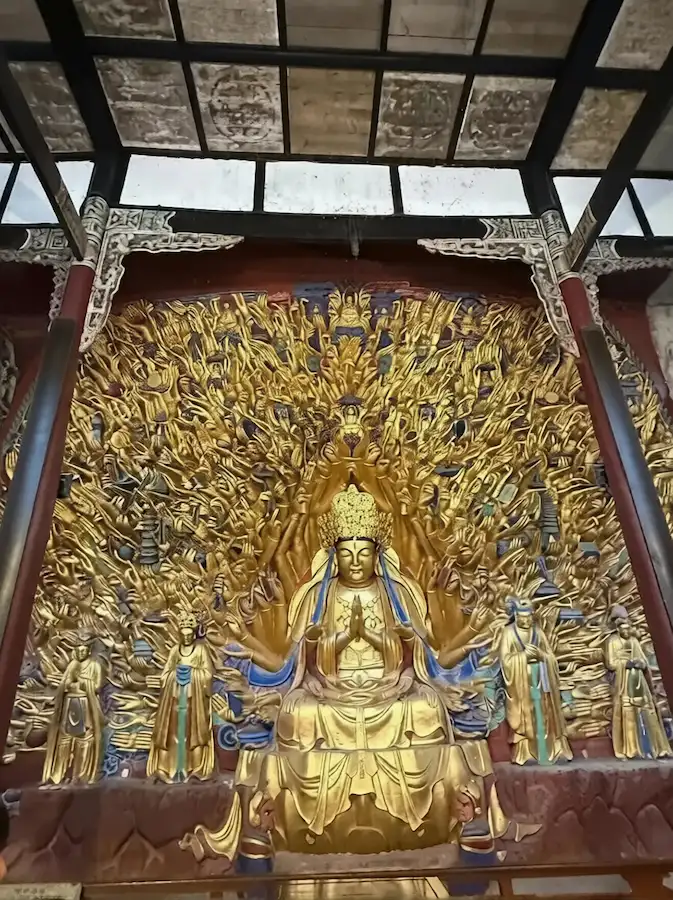
Reclining Buddha (Sakyamuni Entering Nirvana): This 31-meter-long statue is one of the largest half-body reclining Buddhas in the world. The serene expression is profoundly peaceful.
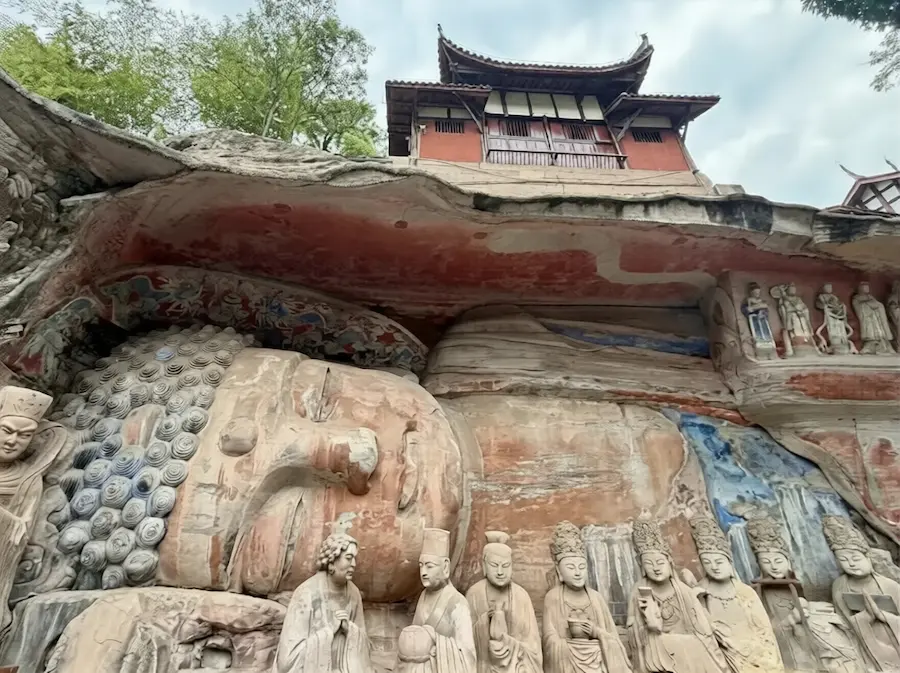
Huayan Three Saints: Three giant statues. The central Buddha’s hands support a massive stone pagoda that has defied gravity for 800 years—a testament to ingenious ancient engineering.
The Wheel of Life: A huge circular carving. It visually explains Buddhist concepts of karma and rebirth. Complex philosophy made instantly understandable.
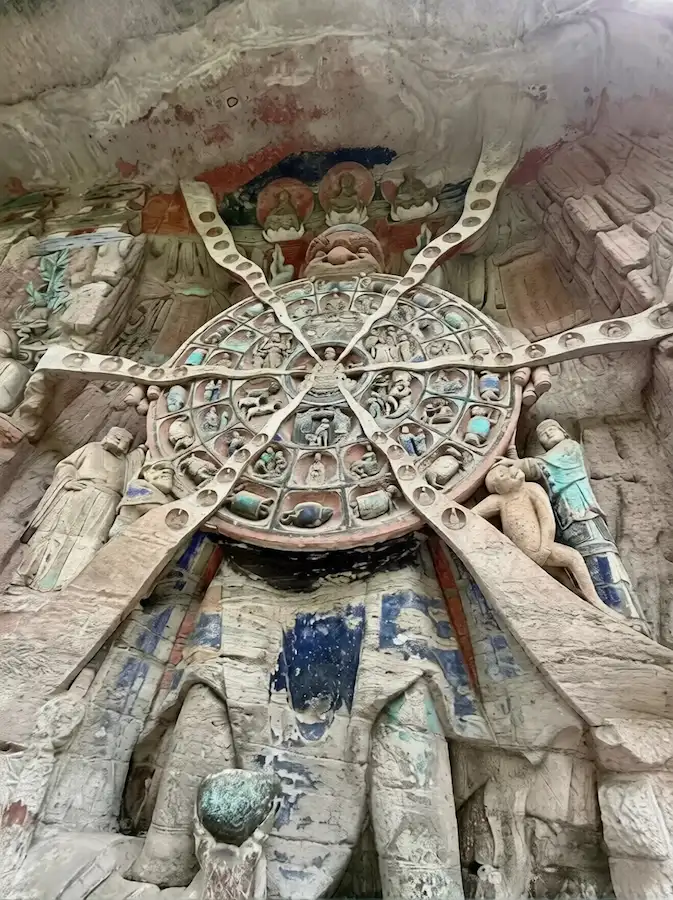
The Herding Pictures: A series showing a boy taming a buffalo. It’s a delightful, everyday scene that’s really a metaphor for mastering one’s own mind.
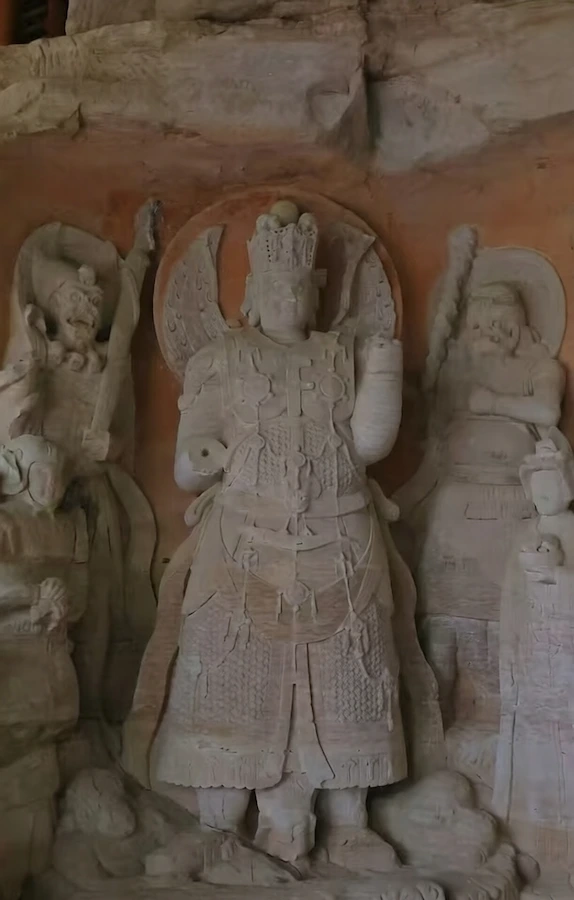
Scenes from Hell: Dramatic and vivid, these carvings depict judges and punishments in the underworld. They served as a stark, moral lesson for visitors centuries ago.
Second Stop: Beishan Mountain – Nighttime Magic
The carvings here (late Tang to Southern Song) are earlier and more delicate, famed for their graceful Guanyin statues.
Sutra Pillar Cave (Zhuanlun Jingzang): The crown jewel of Beishan. An exquisite octagonal pillar is surrounded by finely carved bodhisattvas. It’s often called the pinnacle of Song Dynasty stone art.
Pearl-Holding Guanyin: Her pose is elegant, her smile gentle. Locals lovingly call her the “Venus of the East.”
Visit at Night: This is a special experience. Soft lighting transforms the cliffs, making the ancient figures glow with a quiet, mysterious beauty.
Third Stop: The Dazu Rock Carvings Museum
Located at the Baoding site, this modern museum is a perfect prelude. Artifacts, models, and interactive displays unpack the history and artistry of the Dazu Rock Carvings. Spend an hour here. You’ll step outside with a much deeper appreciation for what you’re about to see.
Suggested Itineraries for Dazu China
Perfect Day Trip (First-Timers):
Leave Chongqing in the morning. At Baoding, watch the 8K film first. Take the shuttle to the main carving area. Explore with a guide for 2-2.5 hours. Grab a simple vegetarian lunch at the nearby temple (5-10 RMB / $1-$1.5 USD). Visit the museum in the afternoon. If you have energy, take a taxi to Beishan for a late afternoon or evening visit. This day makes for a perfect cultural highlight in a broader chongqing 7 days itinerary.
Half-Day Focus (Short on Time):
Go straight to Baoding Mountain. Film → Shuttle → Carvings. Concentrate on the major icons: Thousand-Hand Guanyin, Reclining Buddha, Huayan Three Saints, Wheel of Life, and Herding Pictures.
Useful Tips for Your Trip
A guide makes all the difference. The stories behind the Dazu Rock Carvings are what bring them to life. Hire an official guide (around 150 RMB / $21 USD per group) or rent an audio guide (15-20 RMB / $2-$3 USD). It’s worth every penny.
Check for online ticket deals on platforms like WeChat, Ctrip, or Trip.com before you go. Off-season travel means lower prices and smaller crowds.
Wear sturdy, comfortable shoes with good grip. You’ll be walking on stone paths and steps for hours. Bring a rain jacket—mountain weather changes fast. In summer, sun protection and water are non-negotiable.
These artworks have survived a millennium. Help preserve them. Don’t touch, climb, or carve on the statues.
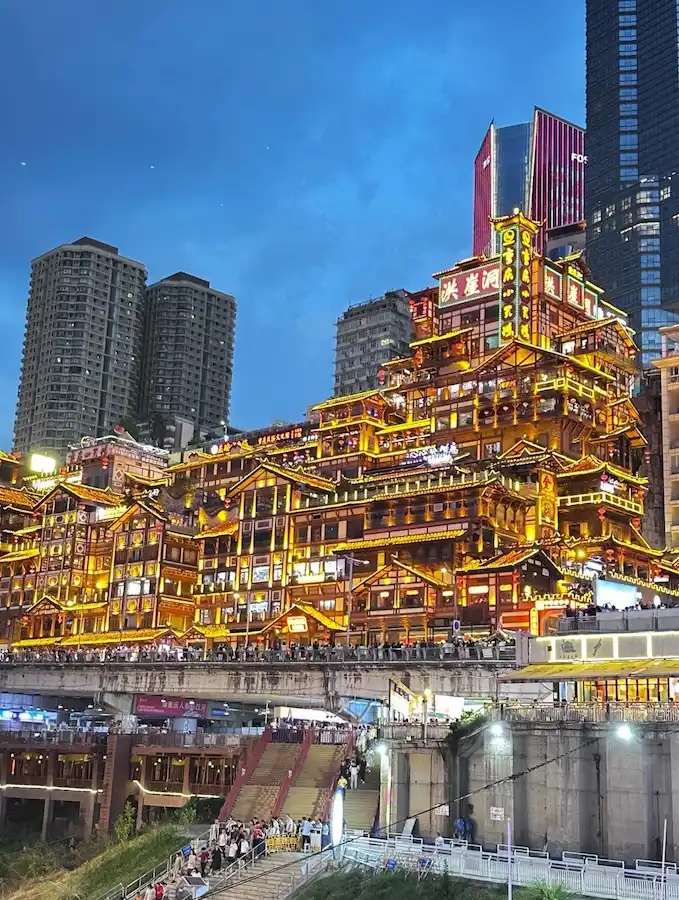
Traveling with kids? The stories are fantastic for them. Look out for fun souvenirs like stamp-collecting fans or postcards. After exploring ancient art, you might enjoy the vibrant modern energy of Hongya Cave Chongqing back in the city.
A cool connection for gamers: If you played Black Myth: Wukong, you might recognize artistic inspirations drawn from the styles and scenes found right here at the Dazu Rock Carvings.
Standing silently before these cliffs, you’re not just looking at art. You’re listening to whispers from a thousand years ago, stories of faith, daily life, and human nature carved patiently into stone. Let the stone stories speak to you.