Top Tourist Attractions in Chongqing: Your Must-See Guide to China’s Magical Mountain City
Welcome to Chongqing, a massive city in southwest China that feels like it’s from the future, but with a soul deeply rooted in the past. When exploring the top chongqing travel destinations, you’ll quickly discover why this place is so unique. Often called the “Mountain City,” its landscape is a breathtaking puzzle of steep hills, winding rivers, and skyscrapers. Here, a maglev-like train passes right through a residential building, ancient stilted houses glow like gold at night, and the air is perpetually spiced with the aroma of the world’s most famous hot pot. This guide will walk you through the most incredible tourist attractions in Chongqing, helping you navigate this 8D metropolis. These tourist attractions in Chongqing offer experiences you simply cannot find anywhere else on earth.
Why Chongqing Will Blow Your Mind
There’s truly no other city like it. You might take an elevator down 20 floors, only to walk out onto a different street. Your GPS will likely give up in confusion because the roads are stacked on top of each other. This isn’t just a city; it’s a vertical adventure. Get ready to have your perception of urban life completely redefined by these amazing locations. The variety of tourist attractions in Chongqing ensures that every traveler finds something unforgettable.
Iconic Spots You Can’t Miss
Hongya Cave: The Real-Life “Spirited Away” Scene
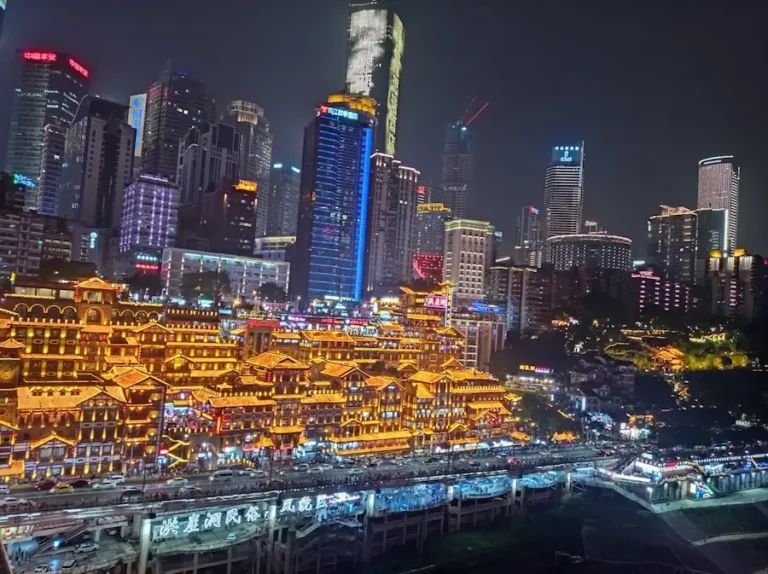
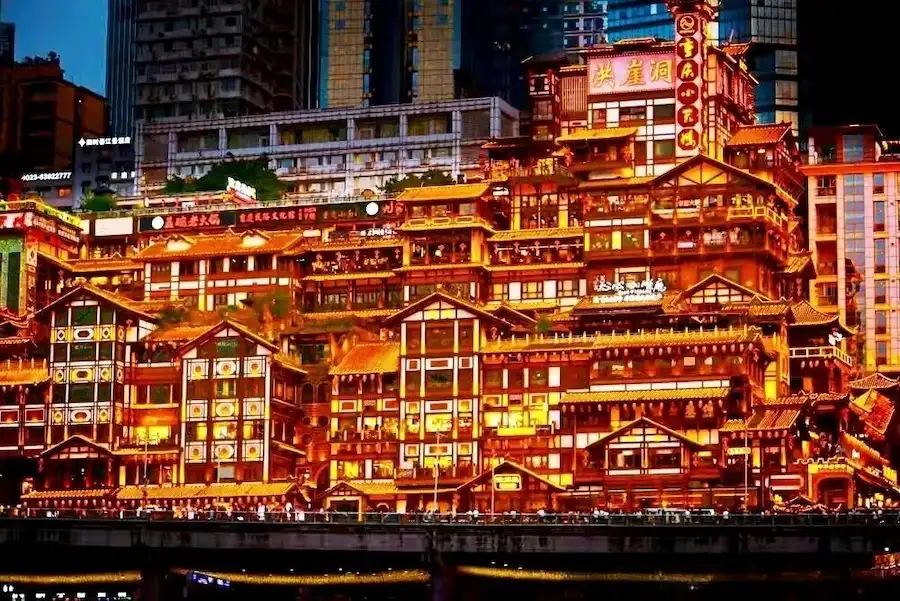
This is the postcard image of the city and arguably the chongqing most famous attraction. Hongya Cave is an 11-story complex of traditional stilted houses (diaojiaolou) clinging to the cliffside.
Admission: Free
Best Time to Visit: After 6:30 PM. The buildings are illuminated from 7:00 PM to 11:00 PM, transforming into a breathtaking sight that famously resembles the bathhouse from the film “Spirited Away.”
Pro Tip: Don’t just get lost inside the crowded shops. Walk across the Qiansimen Bridge or go to the Jiangbei Park on the opposite bank for the iconic panoramic shot. The view from afar is much more impressive. Among all tourist attractions in Chongqing, this one is the most photographed.
The Liziba Station: When a Train Passes Through an Apartment Block
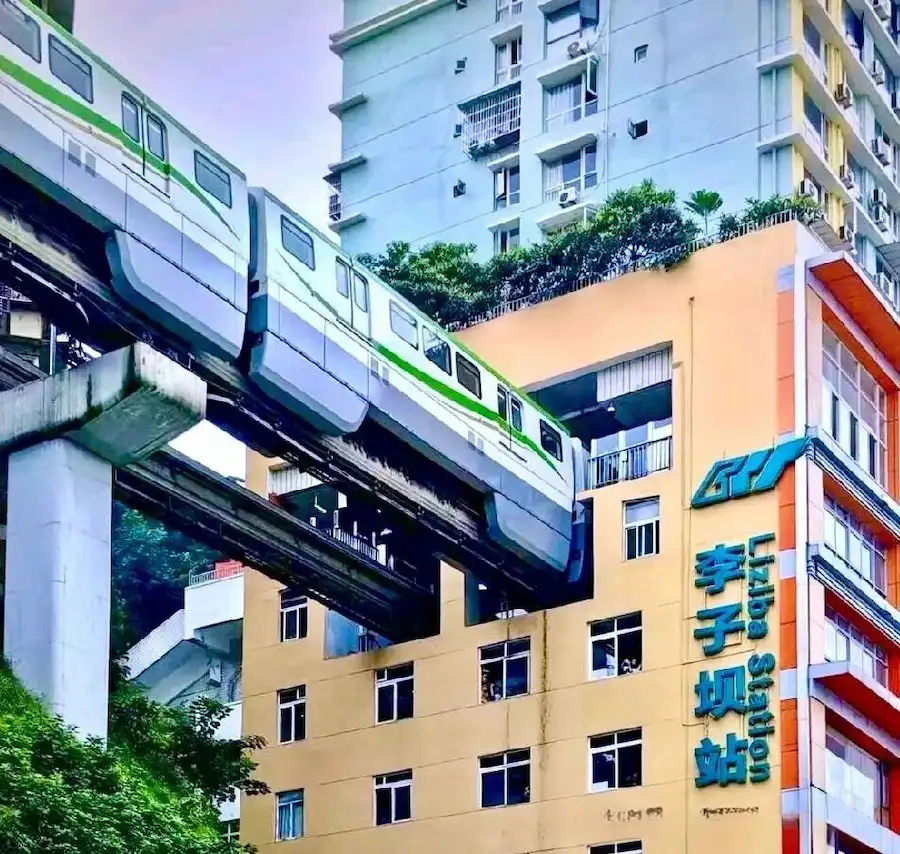
This is the moment you’ll realize Chongqing is different. The No. 2 light rail line doesn’t just stop at Liziba Station; it passes right through the 6th to 8th floors of a residential building.
How to Get There: Take Metro Line 2 to Liziba Station and exit from Exit A.
Best Photo Spot: Go down to the observation platform at the base of the building. Looking up to capture the train entering the building is a must. It’s a globally unique sight and a perfect example of Chongqing’s “magical” urban planning. It’s easily one of the most mind-bending tourist attractions in Chongqing.
The Yangtze River Cableway: A Sky-High View
For a bird’s-eye view of the city straddling the Yangtze River, this cable car is a classic. It connects the Yuzhong and Nan’an districts, offering a stunning perspective of the urban landscape.
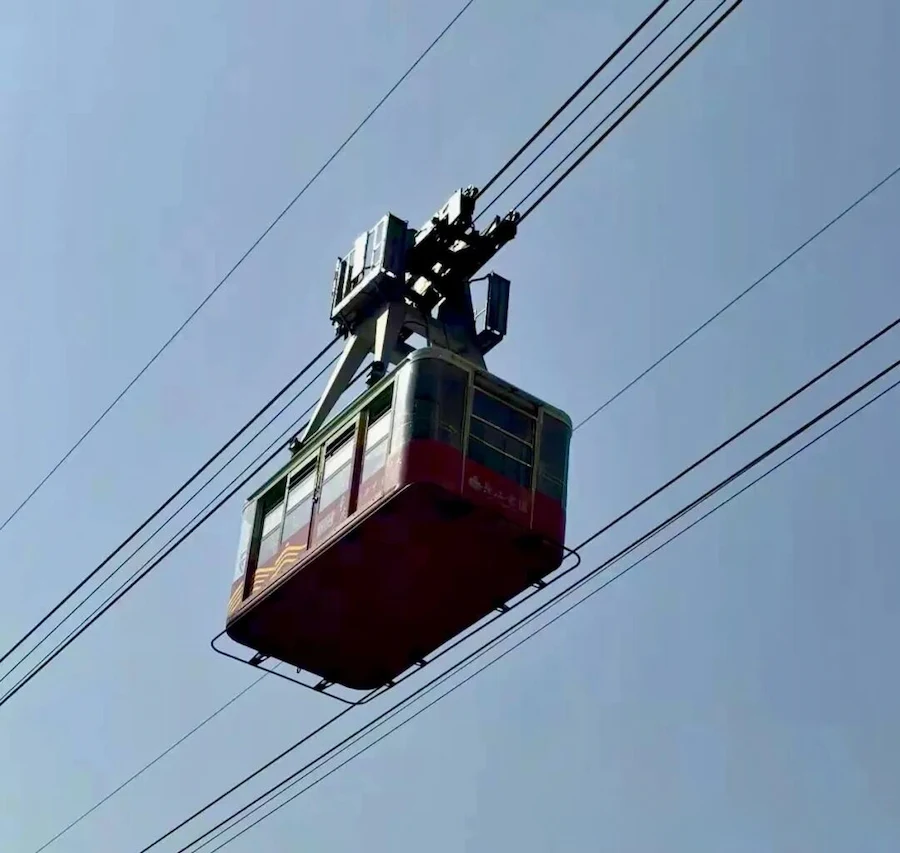
Ticket: 20 RMB (approx. $3) for a one-way trip, 30 RMB (approx. $4) for a round trip.
Time-Saving Tip: Buy your ticket in advance on the official WeChat account. For a much shorter queue, take the cableway from the Shangxinjie Station on the south bank (Nan’an district) heading north. The ride itself is only 4-5 minutes, so make it count by going around sunset for a magical mix of daylight and city lights. This is one of those tourist attractions in Chongqing that offers a completely different perspective.
Experiencing Chongqing’s Heart and History
Jiefangbei & Bayi Food Street
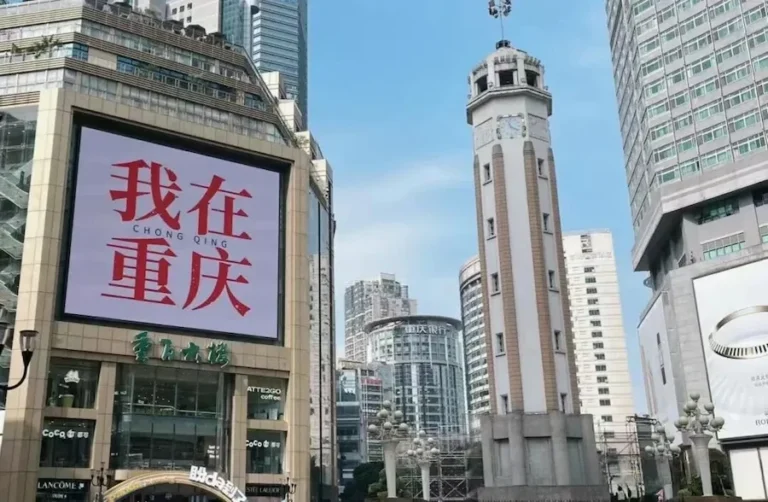
At the center of the city’s bustling heart stands jiefangbei chongqing (the Liberation Monument), built in 1945 to commemorate victory in the War of Resistance against Japan.
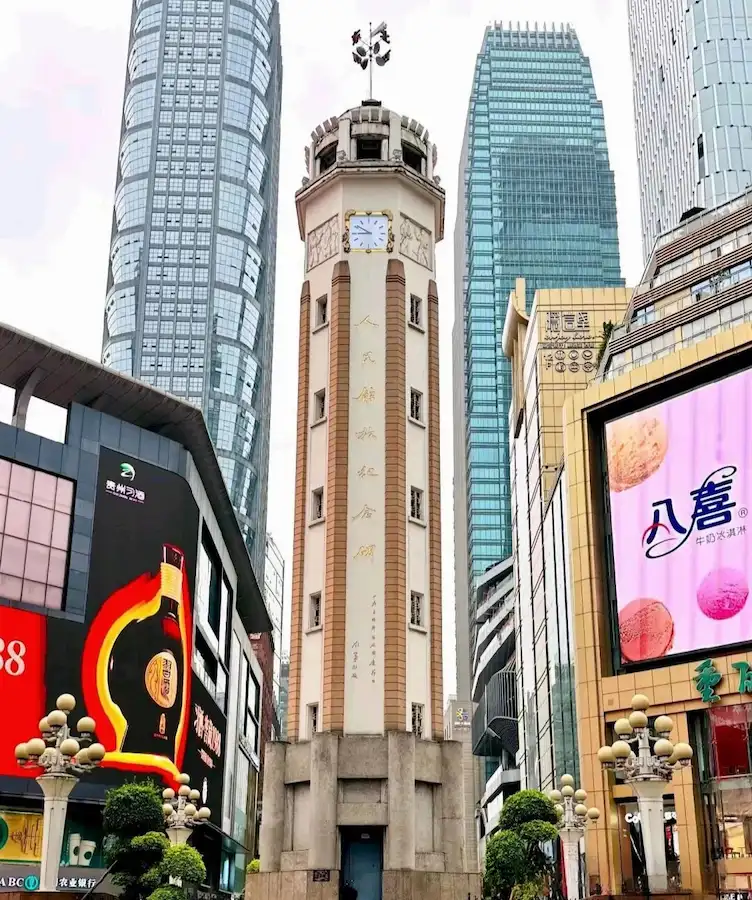
Location: 177 Minzu Road, Yuzhong District.
What to Do: This area is now Chongqing’s premier shopping and commercial hub. After snapping a photo with the monument, walk straight into the nearby Bayi Food Street. By now, you’re probably hungry. Luckily, this area is famous for a sensory overload of local snacks. Try the sour and spicy noodles (suan fen), the refreshing sweet ice glutinous rice balls (bing tang yuan), and grilled sweet potato slices (kao shao pi). Visiting this area is a highlight among downtown tourist attractions in Chongqing.
The Mountain City’s Old Path: A Stroll Through Time
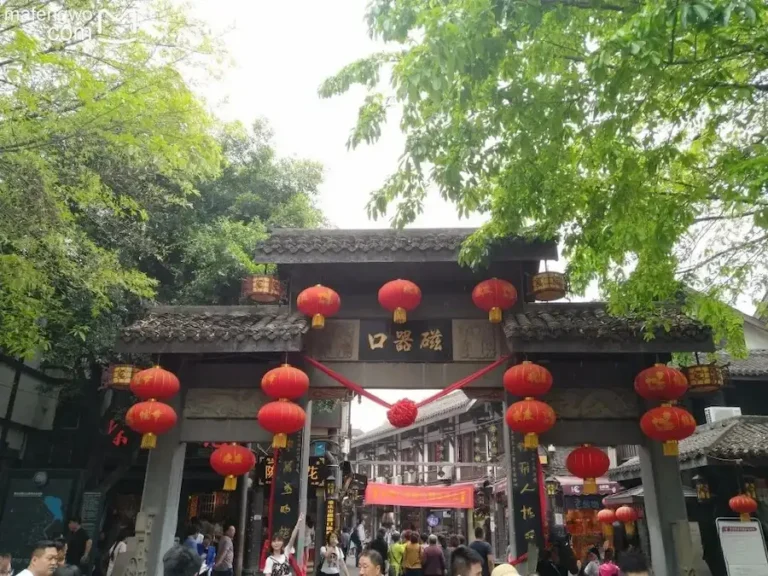
Known locally as Shancheng Xiang, this is one of the few remaining old streets that truly captures old Chongqing. It’s a restored pathway clinging to the side of a hill, offering a mix of history and local life.
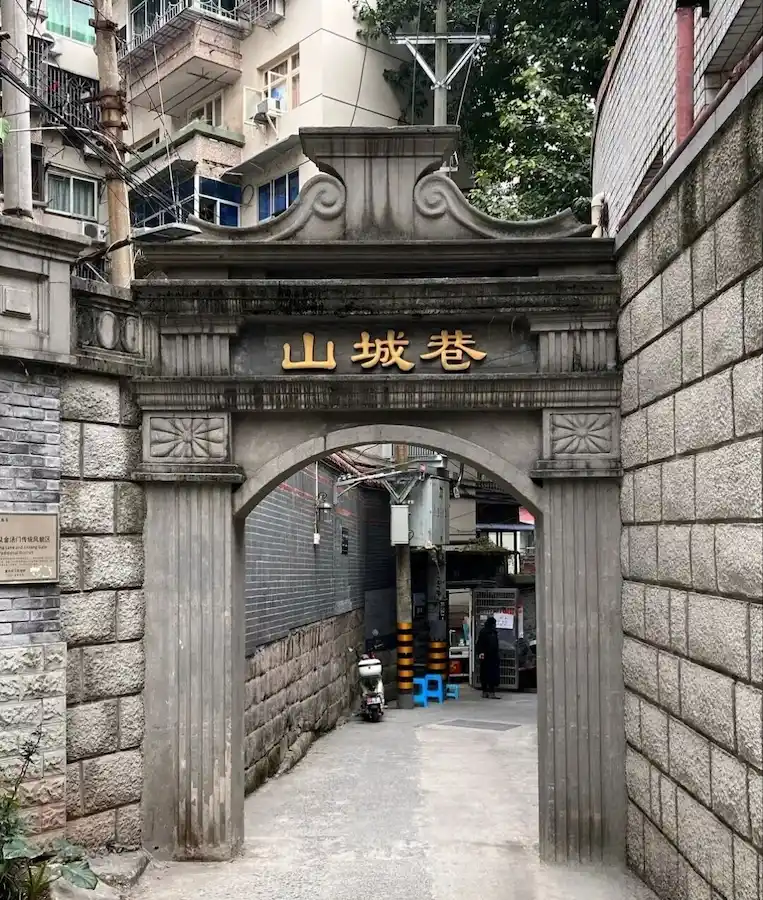
Admission: Free
The Easy Route: Start your walk from “Lingshi Xiang” (Consulate Lane) near Qixinggang. This way, you’ll be walking downhill, which is a blessing in this city!
Vibe: You’ll find preserved stone paths, old teahouses, and a blend of Qing Dynasty architecture with modern boutiques. It’s peaceful, artistic, and feels a world away from the city’s modern core. For travelers seeking authentic tourist attractions in Chongqing, this path is a gem.
A Deeper Dive: Day Trips from the City
The Wulong Karst Landscape: Nature’s Grand Masterpiece
If you have an extra day, this UNESCO World Heritage Site is a must. About a 2-hour drive from downtown, the scenery here is otherworldly.
The Three Natural Bridges: This is the main event. Massive natural stone bridges—Tianlong, Qinglong, and Heilong—form a stunning landscape. You’ll walk through their enormous arches, and you might recognize the setting from movies like Transformers 4.
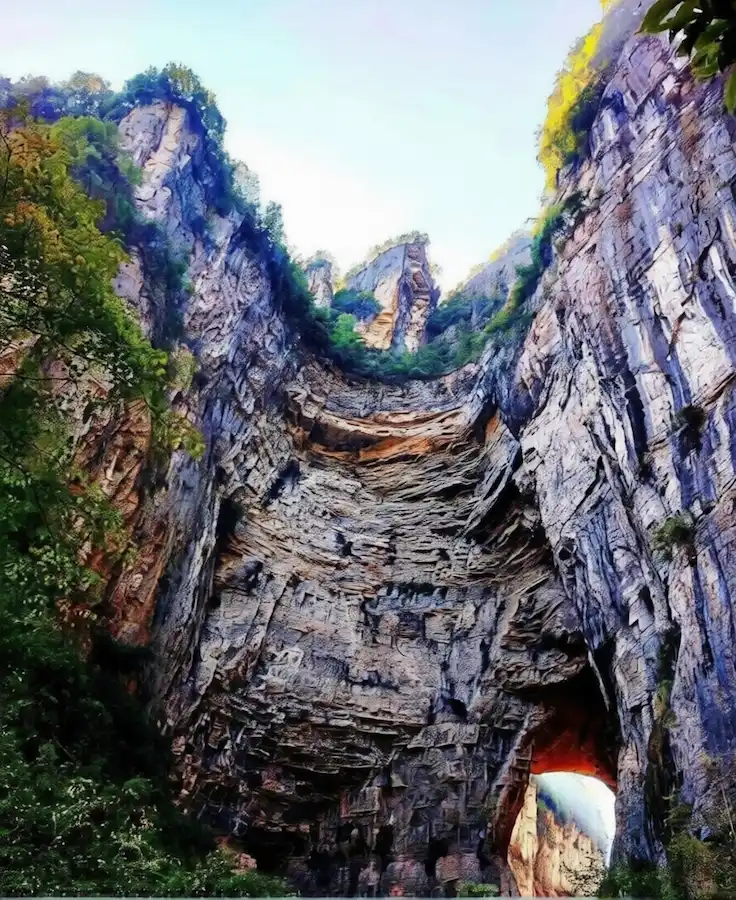
Fairy Mountain: For a change of pace, head to Fairy Mountain. It’s a high-altitude grassland and forest. In summer, it’s a cool escape from the city heat; in winter, it turns into a rare southern ski destination. Nature lovers will rank these geological wonders among the top tourist attractions in Chongqing.
Dazu Rock Carvings: Stories Etched in Stone
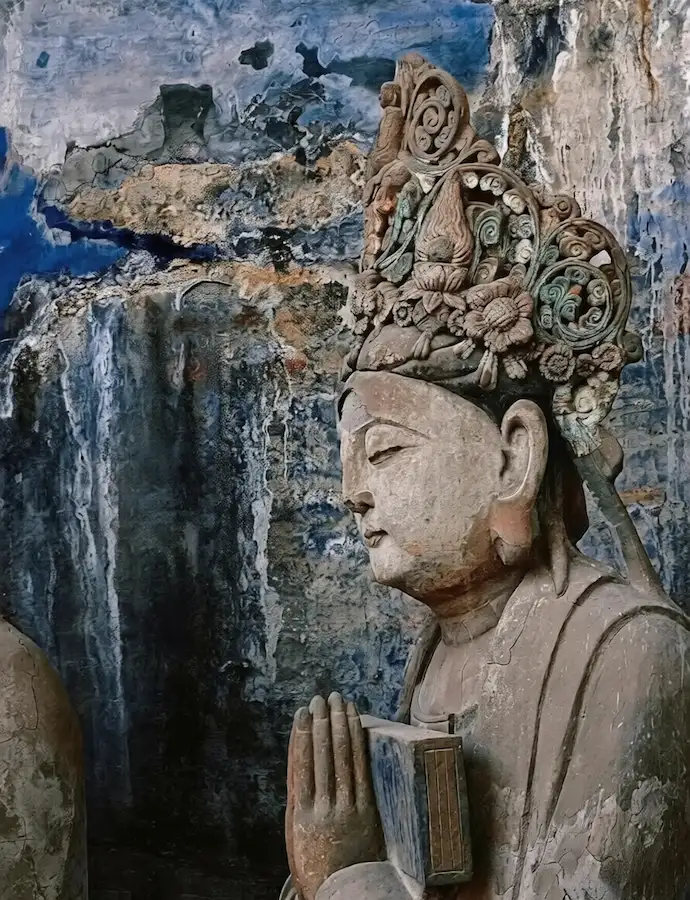
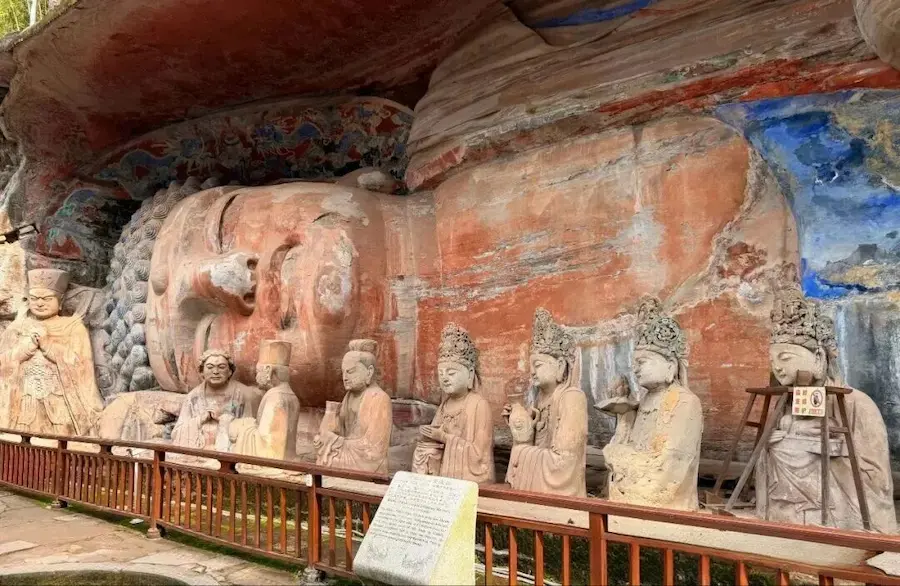
Another incredible UNESCO World Heritage site worth the 1.5-hour journey. The dazu rock carvings chongqing are a series of Chinese religious sculptures and carvings, mainly Buddhist, dating back to the 9th century. The detail is unbelievable, especially the intricate Thousand-Hand Guanyin statue. If you have any interest in history, art, or culture, this is one of the most profound tourist attractions in Chongqing region. The Dazu carvings alone are worth the trip and stand as some of the most significant tourist attractions in Chongqing for history buffs.
Sample Itineraries to Plan Your Trip
One-Day Express (For the highlights):
Morning: Start at Jiefangbei, then dive into snacks at Bayi Food Street. Walk (about 15 mins) to the Shancheng Old Path for a dose of old-town charm.
Afternoon: Head to Liziba to witness the train-through-building spectacle. Take a short taxi ride to the Eling Creative Park (a former factory turned artsy district, famous from the movie Ever Since We Love).
Evening: Stake out your spot for the Hongya Cave lighting at 7:00 PM, then walk across Qiansimen Bridge for those perfect photos.
Three-Day Immersive Journey:
Day 1 (Landmarks & Lights): Jiefangbei → Bayi Food Street → Yangtze River Cableway (from the south bank to avoid lines) → Baixiangju (an old residential building featured in films) → Hongya Cave at night.
Day 2 (Old Streets & River Views): Explore the newly restored Xiaohaoli and Longmenhao old streets → Head to Danzishi Old Street. After that peaceful start, if you’re ready for some excitement, watch the sun set over the confluence of the Yangtze and Jialing rivers, followed by a stroll along the scenic Nanbin Road.
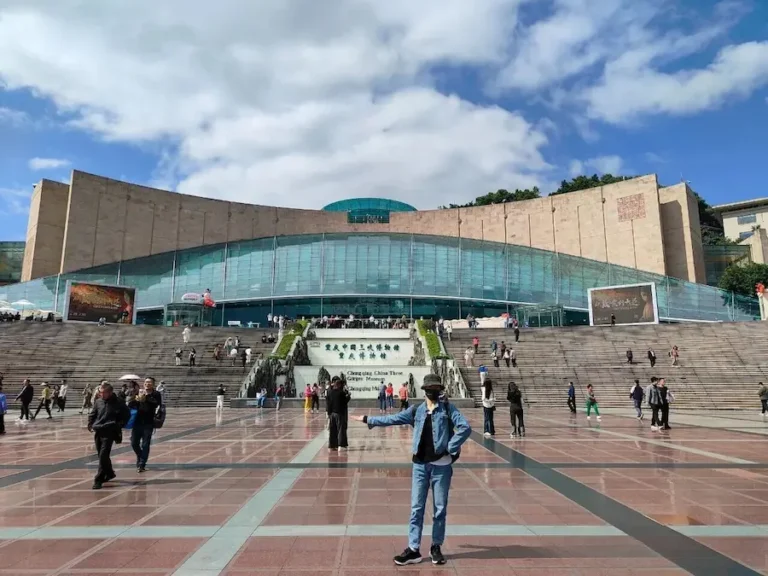
Day 3 (Culture & City Views): Visit the grand Great Hall of the People (inspired by the Temple of Heaven) and the adjacent Three Gorges Museum → Check out the trendy Guanyinqiao shopping district for the famous “I’m in Chongqing” photo op → End your day at Hong’en Temple Forest Park, climbing the pagoda for a breathtaking view of the entire city as the sun goes down.
Must-Try Foods in Chongqing
Hot Pot: It’s the lifeblood of the city. Go local and order items like braised beef tendon and duck blood. If you’re spice-averse, order a yuanyang guo (a divided pot with spicy on one side and a mild broth on the other). Try local favorites like Tianbang Laohotpot or Tanghongying Hotpot.
Xiaomian (Little Noodles): A simple bowl of noodles in a spicy, numbing sauce. The best spots are often the shabbiest-looking shops on a residential street. Have it for breakfast like a true Chongqing native.
Snack Streets: For a quick and easy feast, head back to Bayi Food Street in Jiefangbei or the Guanyinqiao snack street.
Insider Tips for a Smooth Trip
Wear Comfortable Shoes: This is non-negotiable. You will be walking up and down countless stairs and slopes. Leave the heels at home.
Your GPS Might Lie: Because of the city’s vertical nature, your map app might show you’re at your destination when you’re actually 20 stories above it. If you’re lost, ask a young local for help; most will speak some Mandarin and are happy to point you in the right direction (literally).
Beware of Hongya Cave Touts: Ignore anyone offering a “fast track” into Hongya Cave. There isn’t one. Just enjoy the view from the outside.
Book Your Cable Car Ticket: For the Yangtze River Cableway, booking online is essential to avoid massive waits, especially on weekends.
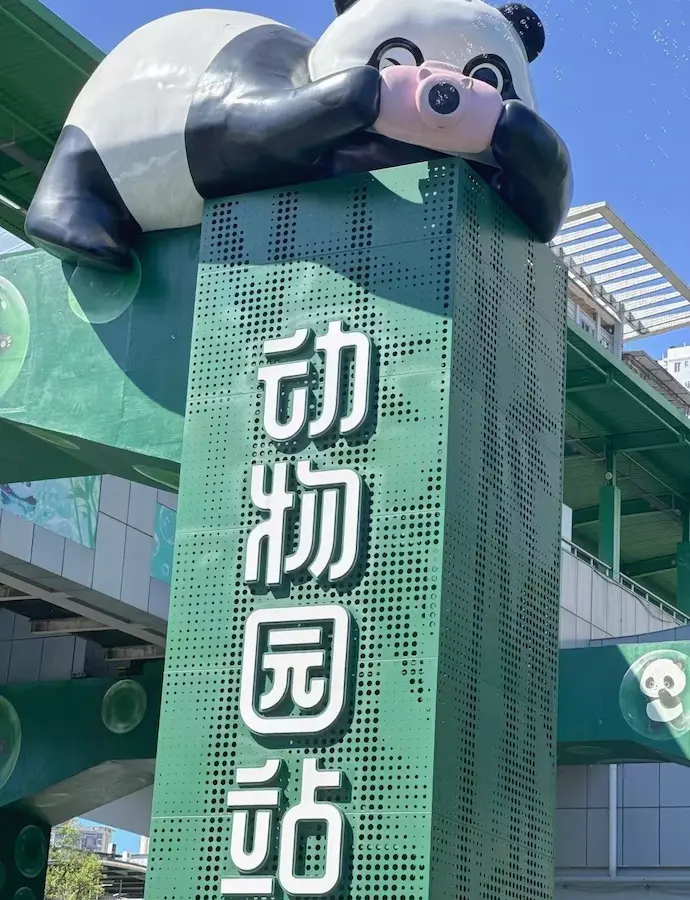
Best Seasons to Visit: Spring (March-May) and Autumn (September-November) offer the most pleasant weather. Summer is a furnace, but that’s when a cold beer with your spicy hot pot tastes best. Winter is foggy, giving you a glimpse of why Chongqing is also known as the “Fog City.” And if you love animals, don’t miss the panda zoo chongqing china, where you can see China’s national treasure up close. It’s one of the more family-friendly tourist attractions in Chongqing.
So pack your curiosity, bring your appetite, and get ready to explore the unparalleled tourist attractions in Chongqing. It’s a city that doesn’t just show you its sights; it makes you feel them from the bottom of its steep hills to the top of its shining towers. Let this incredible mountain city surprise you at every turn. Your journey through the remarkable tourist attractions in Chongqing is waiting to begin.